The Dental Place

Help Your Teeth Age Gracefully With You

September 4, 2017

cosmetic dentist Grand Prairie TX

Growing older does not have to mean you stop caring about your appearance. A consultation with your cosmetic dentist will present several ways you can correct your dental imperfections, and provide the bright and healthy smile you deserve.

Dental stain – Illness, medications, and years of wear can result in discolored or stained dentition. The Opalescence teeth whitening system may be the perfect option offering a take home whitening program that will be designed specifically for your needs.

For many years, dental decay was repaired using silver amalgam. As you have aged, those silver fillings may have turned dark. You now have the option of having those fillings replaced with a tooth colored composite resin. Your dentist will carefully remove old fillings and replace them with composite resin that can be closely matched to your tooth shade making new fillings virtually impossible to detect.

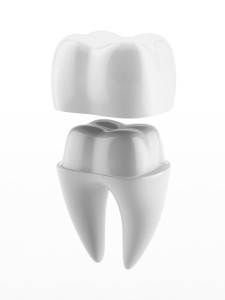
Dental crowns have been used to repair broken or badly decayed teeth for decades. However, now most dental crowns are made using porcelain, a strong and stain resistant material that eliminates the need for gold or metal crowns. Dental crowns are also used as the final step to seal a tooth following root canal therapy, as a means to attach a fixed prosthesis, or as the restoration for a dental implant.

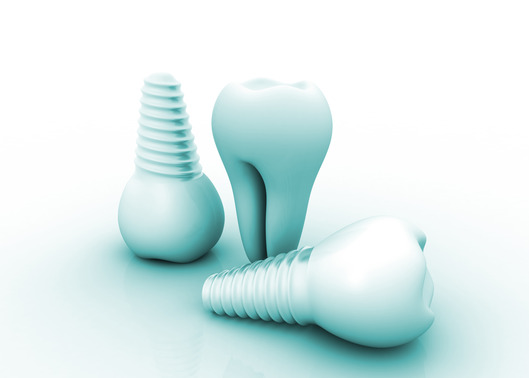
If tooth loss has occurred, dental implants allow the patient to eat all the foods they love; speak without fear of slippage; and smile or laugh with self-confidence knowing their missing teeth have been restored using the method that is closest to having their biological teeth back.

For the patient who is looking for a minimally invasive cosmetic enhancement to hide chipped or broken teeth; unwanted gaps; deeply stained teeth; or uneven teeth … porcelain veneers may be recommended. Veneers are wafer thin shells that are made to match teeth in size, shape, and shade. Your cosmetic dentist will cement them in place once fit and function are correct.

Once you have completed your smile makeover, proper care will allow you many years of enjoyment. Brush twice daily and floss to remove what your toothbrush missed. See your dentist every six months for cleaning and dental exam.

For more information or to schedule a consultation, contact our team at the Dental Place today.

Will I need a dental crown following root canal treatment?

August 21, 2017

root canal Arlington TX

Any time a tooth experiences trauma, there is a possibility that the roots of the tooth have sustained damage. Infection can occur resulting in possible tooth loss. There is a procedure that can be done to save the tooth, and that is endodontic therapy, more commonly known as a root canal.

Symptoms that a root canal may be needed include discomfort when biting down, sensitivity to temperature, and/or swelling of the face or jaw. Treatment should be rendered as soon as possible as infection can lead to an abscess, a pocket of infectious material that can spread if not treated.

The root canal process begins with a dental x-ray of the infected tooth. An x-ray identifies the number of roots involved and their position. Each root must be treated; failure to reach all roots can result in procedure failure and the need for retreatment.

The dentist will segregate the tooth to keep the area dry. The tooth is numbed with a local anesthetic and an access point is created in the tooth. Endodontic files will be used to penetrate each root removing all the root’s contents … blood, pulp, nerve, and infection if present.

Once all roots have been treated, your dentist will determine the best way to seal the access point. For molar teeth, generally a dental crown is used. Your dentist will want to make sure the tooth has been successfully treated before placing the crown. A temporary will protect the tooth that has been prepped for a crown. Another option to seal the opening is with a tooth colored composite resin.

If infection was present, the dentist may place an antibiotic in the canals and/or prescribe an oral antibiotic depending on the severity of the infection.

A crown is often made from porcelain which will be fashioned to match surrounding teeth in size, shape, and color. Once the crown is cemented in place sealing off the access point, the root canal process is considered to be complete.

A dental crown made from porcelain is stain resistant and strong. Your protective crown is made to last for many, many years. Caring for your crown is the same as all your teeth … brush twice every day with a fluoridated toothpaste, floss daily, and see your dentist every six months for cleaning and exam.

To learn more about the root canal process or to schedule an appointment, contact The Dental Place at 972-264-5795 today.

Dental Implants for Renewed Self Confidence and Peace of Mind

August 7, 2017

dental implants Arlington TX

When an adult loses one or more permanent teeth, there can be numerous problems associated with that loss. The ability to chew properly can limit what can be eaten; we rely on our teeth to form sounds allowing us to pronounce words correctly; and an individual’s self confidence can be severely eroded when put in a position of eating or speaking in public. Tooth replacement with dental implants provides a very viable solution.

The first step to resolving lost teeth is a consultation with your dentist. The overall health of the patient is reviewed followed by a thorough dental exam. Dental x-rays will be taken to determine if sufficient bone strength is present; lack of jaw bone does not necessarily eliminate the patient’s candidacy for dental implants … but additional treatment may be needed to enhance bone to help ensure a successful implant procedure.

When the decision to move forward is made, the dentist will surgically place the small titanium implant in the gum tissue where tooth loss has occurred. The use of titanium has multiple advantages … titanium is less likely to be rejected. And this alloy has been proven to be a metal that allows bone to fuse so that it will become a permanent part of the dental anatomy acting much like the roots of a biological tooth.

Over a healing period of months, jaw bone will fuse to the implant, a process known as osseointegration. Once healed, an abutment will be attached to the implant. A final restoration will be bonded to the abutment completing the process.

That final restoration has been made to match surrounding teeth in size, shape, and shade making this cosmetic enhancement undetectable. But its appearance is almost secondary to its functionality. You will be able to eat all the foods you love; and you will speak clearly once again without fear of your replacement teeth slipping or moving.

Caring for your dental implant is the same as what you do for all your teeth … brush twice every day with a fluoridated toothpaste and floss every day to remove what your toothbrush missed. And it is important to keep appointments with your dentist every six months to keep your teeth and gums healthy. Your self confidence and peace of mind are permanently restored thanks to dental implants.

To learn more about your tooth replacement options, contact our team at The Dental Place today.

Nail Biting May Lead to Dental Issues

July 24, 2017

dentist in Grand Prairie TX

Nail biting is a habit often started due to nervousness, stress, or boredom. Very often a nail biter is a child or teenager (some outgrow the habit, while some don’t) and this habit can contribute to many dental problems if not curtailed. Your dentist can offer tips on ways you can break this habit; in addition your dentist can advise you what can be your fate if you don’t find ways to end nail biting.

If you habitually bite your nails during the day and want to stop, using a bitter nail polish will provide a reminder every time you put your fingers in your mouth. While wearing gloves might look silly, you can resort to this when you’re at home. Many patients benefit from wearing a mouthguard to break the nail biting habit.

In addition to the potential dental problems that can occur, biting your nails is extremely unsanitary. Our mouths already contain bacteria, but when you add in the germs from items you touch throughout the day, you increase the odds of spreading that bacteria throughout your body. When you bite your nails you take the chance of a jagged nail cutting into gum tissue creating sores and possible infection.

A few of the dental hazards associated with nail biting include the potential for chipped, worn enamel; broken teeth; misshapen teeth; jaw problems; and bruxism (teeth grinding). Nail biters often position their jaw to bite their nails that can eventually lead to a malocclusion where the top teeth do not align properly with the bottom teeth.

As enamel wears away, teeth are weakened leading to chipped dentition, the potential for decay, and the need for restorative work. Additional problems include similar symptoms experienced by patients who grind their teeth or clench their jaw such as headache, facial pain, and jaw discomfort. Over time teeth sensitivity can occur as well as receding gums.

While nail biting can seem benign, it can lead to costly repair and the potential for years of treatment to undo what this action created. If you or a family member has become a habitual nail biter, your dentist can help.

In the meantime, make sure you are doing everything to take care of your teeth by daily brushing, flossing, and seeing your dentist every six months for cleaning, polishing, and a dental exam.

Call our team today at The Dental Place to schedule your visit!

Top 5 Benefits of Porcelain Veneers

July 10, 2017

veneers Arlington TX

Porcelain veneers are a minimally invasive cosmetic response to many dental maladies, such as stain or discoloration, chipped or uneven dentition, or unwanted gaps. A consultation with your cosmetic dentist will explain how you can achieve the smile makeover you’ve always wanted and enjoy these benefits:

  1. Time Savings: Treatment with porcelain veneers can be completed in a matter of weeks; you don’t need to spend years in a teeth straightening program to achieve the appearance of a symmetrical smile.
  1. Natural: Veneers offer a translucent, natural appearance.
  1. Stain resistant: Porcelain is naturally stain resistant so if you are considering teeth whitening, make sure you mention this to your cosmetic dentist so treatment is rendered in the proper order. Even though porcelain does not respond to any teeth whitening treatment, you can select the porcelain teeth shade you wish and whiten biological teeth first so all will match at procedure completion.
  1. Specific treatment available: You can repair one or multiple teeth allowing the patient to pinpoint exactly which teeth they want to enhance.
  1. Tolerable: Porcelain is well received by gum tissue lessening the possibility of rejection, abrasion, or gum tissue discomfort.

Porcelain veneers are thin, tooth colored shells that are permanently cemented to the front of teeth requiring treatment. Your cosmetic dentist will remove some enamel from the front of teeth to be improved about the thickness of the veneer itself. This will allow an even, natural appearance once veneer and tooth are bonded together.

The dental lab will fabricate veneers. This takes about two weeks. Any small adjustments needed can be made by your dentist chairside after veneers are tried on for fit and appearance.

Porcelain veneers are permanent, but not invincible. The patient will be advised not to bite into hard or sticky foods, not to bite fingernails and patients known to grind their teeth may not be good candidates for this cosmetic repair.
Caring for veneer-treated teeth is exactly what you do for all your teeth … brush twice daily, floss daily, and see your dentist every six months for cleaning and exam. Teeth with veneers can still experience dental decay so it is important to make sure you extend the proper care because if a cavity occurs on a veneer covered tooth, repair can be more extensive than a repair on an untreated tooth.

Contact our office today to discover your own treatment options!

Electronic Toothbrush: A Great Weapon Against Plaque Formation

June 19, 2017

dentist 75051


While you can clean your teeth properly with a manual toothbrush if you brush each tooth consistently for the same amount of time, an electronic toothbrush can increase efficiency when it comes to oral hygiene. Brushing your teeth, along with flossing, is an essential part of preventing oral health conditions – particularly tooth decay and periodontal disease. Electronic toothbrushes provide some benefits for preventing the accumulation of harmful substances like plaque and tartar over a manual toothbrush. If you want recommendations for oral hygiene products including electronic toothbrushes, feel free to ask our dentist at your next checkup or cleaning.

Benefits of Electronic Toothbrushes

Electronic toothbrushes can help improve one’s oral hygiene regimen – especially if the brush heads rotate quickly or pulse sonically. The pulsating or rotating aspects of brush heads are consistent and therefore allow a person to clean oral surfaces evenly. An electronic toothbrush will remove most of a day’s plaque deposits when patients brush all their teeth for a total of two minutes.  Moreover, sonic pulses help stimulate soft oral tissue – particularly the gums. Those with dexterity issues or folks who have trouble cleaning all teeth with the same amount of strokes typically benefit from the steady rotation of an electronic brush head. Moreover, by holding the toothbrush over teeth and not applying excessive pressure, a person can avoid brushing too vigorously. Brushing vigorously can irritate the gums and weaken teeth over time so it is important to clean teeth with gentle circular motions, a feature that most electronic toothbrushes provide.

Why Plaque is Dangerous to Oral Health

Plaque is colonized oral bacteria. It is a sticky substance that coats teeth. When plaque is exposed to calculus, it hardens into tartar and cannot be brushed or flossed away. Tartar accumulation is a leading cause of periodontal disease. Proper oral hygiene can help prevent tartar buildup by removing daily plaque deposits.

Even if you practice meticulous oral hygiene, dental cleanings and checkups are still necessary. Call us today to reserve an appointment.

My Dentures Feel Loose: What should I do?

June 5, 2017

dentures Arlington TX

Do your dentures not feel like they used to? Perhaps they slip and slide in your mouth when eating or speaking. If your dentures are not fitting properly, you should call our office to schedule an appointment with our dentist as soon as you can. Wearing ill-fitting dentures can become very uncomfortable in addition to decreasing oral function and affecting your self-confidence. After visiting our dentist, our team can determine whether your dentures can be relined or if it is time for a new set all together.

Why do dentures become loose?

Dentures become loose over time. This is an unfortunate limitation of these prosthetics. When we lose our teeth, the roots of teeth no longer stimulate the bone in our jaw. Once bone is inactive, the body will resorb it. As the jaw loses density, it will change shape, thus affecting the way dentures fit. With time, these changes in our jaw shape will noticeably affect denture’s stability. Unstable dentures will feel loose and might even move significantly when speaking or eating.

What about denture adhesives?

Denture adhesives can provide extra support but an adhesive can only do so much for ill-fitting prosthetics. When dentures are noticeably loose, it is best to visit our practice for repairs or a new set so that you can enjoy comfortable prosthetics that improve oral function.

What does relining entail?

Relining dentures involves changing the shape and size of their base to accommodate the changing shape of the jaw. Since bone loss occurs over time, it is wise to have your dentures relined to improve the way they fit.

Will my dentures need to be replaced?

Many times, the way dentures fit can be improved with repairs but nearly all dentures require replacement at some point – especially if bone loss is substantial. Moreover, dentures that don’t fit properly can break easily.

Our team understands that you rely on your dentures every day, and when they no longer perform as they should, it will negatively affect your life. We are here to help you enjoy optimal oral function and a beautiful aesthetic. For questions about your prosthetics, call our team at The Dental Place.

Healthy Teeth – Healthy Body: Tips to Improve Oral and Overall Health

May 22, 2017

dentist in Grand Prairie TX

Many of the things we do to keep our teeth healthy are the same things we should do to maintain great overall health. Eat a diet consisting of foods enriched with vitamins and nutrients (fresh fruits and vegetables, dairy products, proteins, fish, and poultry); exercise often; get adequate rest; avoid stress; do not smoke; stay hydrated; avoid illicit drugs; do not abuse alcohol; and for your dental health specifically brush twice every day with a fluoridated toothpaste, floss daily, and see your dentist every six months for cleaning and dental exam.

  • Diet – We know what we should consume; but awareness of the things that can do harm may not be so evident. Foods and beverages high in sugar and/or acidic value can result in the emergence of dental decay.
  • Sound sleep – Daily stressors, busy schedules, and non-stop commitments can make getting a good night’s sleep difficult. Add in the possibility that the patient may develop a nighttime habit like teeth grinding and jaw clenching, and you increase the odds of developing a dental problem that can lead to broken teeth. A sleep guard fabricated by your dentist can help with sleep and breaking this habit.
  • Tobacco use – Smoking cigarettes, cigars, or a pipe; e-cigs; or chewing tobacco … all are known to be hazardous to your health. But patients that use tobacco products are far more likely to be faced with periodontal disease and the potential for tooth loss.
  • Drink lots of water – So called health or sports drinks can be loaded with sugar. Think twice before consuming soda … even the sugar free varieties can take a toll on your teeth. The best beverage you can consume for your great health is water. If you don’t like plain water, try infusing it with fresh fruit.
  • Alcohol use – be aware of the hazards; excessive consumption can do harm.
  • Oral health – There is definitely a link between dental and overall health. Taking care of one will naturally contribute to the other. So while doing things for your overall health, do not neglect taking care of your teeth.

Brush twice daily with a fluoridated toothpaste using a soft bristle toothbrush; floss every day to remove what your toothbrush missed; and see your dentist every six months for a cleaning, polishing, and dental exam to maintain great oral health.

Call our team to schedule your next cleaning today!

Why is titanium used for dental implants?

May 8, 2017

dental implants Arlington TX

Dental implants are the ideal solution to restore tooth loss allowing the patient to eat all the foods they wish without any problem; speak clearly; and smile broadly with self-confidence because they no longer suffer from a lack of dentition.

Titanium is a metal used for most implants for its unique ability for bone fusion, minimal chance of rejection, and its history of durability and longevity.

In the 1950’s a Swedish scientist was performing an experiment by placing a titanium rod in the leg of a rabbit. When he went to retrieve the rod, he discovered that the rabbit’s bone had merged so completely with the rod that he could not extricate it. This led to further experimentation; and when ready to try on a human subject it was determined that a much better controlled application would be in the jawbone.

Dental implants have become a commonplace treatment in recent decades for tooth loss. And the reasons to implement tooth implants over other methods of dental prosthesis include:

  • Bone loss – when a dental implant is placed it actually helps jaw bone to remain strong. If a tooth just sits on top of the gum tissue, the bone that once held the biological tooth in place begins to deteriorate. Gum tissue can shrink leading to appearance changes; as well as changing how the false tooth functions.
  • Comfort and Convenience – Dental implants are surgically placed in gum tissue where they become a permanent part of the patient’s dental anatomy performing much like the roots of a natural tooth. Once healed, the implant has a cosmetic restoration permanently cemented to an abutment affixed to the implant. Much like a dental crown, the patient never has to think about their missing tooth again.
  • Longevity – When the first recipient of a dental implant passed away in his 90’s, the implant was still doing its job … and history has proven that this method of tooth replacement is very long lasting.
  • Functionality – There is no concern with tooth movement at any time under any circumstance; you can eat anything you please with the assurance that you will not experience slippage.

Your dentist will make a restoration that will match neighboring teeth in size, shape, and color. Once bone has fused to your implant (a process called osseointegration), this final cosmetic step will complete your tooth replacement journey.

Contact our office today to get started on your journey!

Tooth pain? Don’t wait!

April 19, 2017

root canal Grand Prairie

Your tooth hurts, but you don’t know why. The reasons are numerous … there might be something caught between teeth irritating gum tissue; you may have developed decay; or maybe you have cracked your tooth and even cold air sends a zinging sensation that is extremely painful. There may be an easy solution, but if you wait too long and the pain continues, you may require a root canal to save your tooth!

If the discomfort is minor, try flossing and rinsing the area. If pain persists contact your dentist for an appointment as soon as possible. Although a cavity does not form overnight, if it has been a while since your last regular dental appointment, you might be dealing with active decay. If your tooth had been previously treated for a cavity, the filling might have cracked or the cavity has grown larger.

In some cases, patients can break a tooth or develop a hairline crack by biting into something hard. Or if the patient suffers from bruxism (grinding teeth), an opening might have occurred in dentition exposing the nerve. In any case, immediate treatment can be done to relieve pain. Any time there is damage to the nerve of the tooth the solution required is a root canal.

A root canal (endodontic therapy) is a simple procedure where the tooth is segregated by a rubber dam to keep the area dry during the procedure. An access point is drilled into the tooth and a series of endodontic files are employed to remove the contents (nerve, blood, and pulp tissue) of each root of the tooth. An x-ray will have been taken to identify the number of roots involved as it is imperative that each root be treated for a successful root canal.

At the conclusion of the root canal, the access point must be sealed. If infection was present, an antibiotic might have been placed into the canals; or an oral medication may be prescribed. Your dentist might delay sealing the tooth until it has been determined that the infection has been eliminated.

A dental crown is often used to seal the tooth. Root canal therapy has been employed to save your tooth … the only other solution in these cases is tooth extraction. Saving your tooth is always a better remedy than costly and time consuming tooth replacement treatments!

Don’t wait to contact us until the discomfort is too unbearable. Call our team today!