Your oral health is precious. Investing in achieving a healthy mouth can stave off disease, save you money, and preserve a youthful appearance. From visiting the dentist for regular checkups to practicing great oral hygiene, here are five tips that can help you keep your mouth healthy.
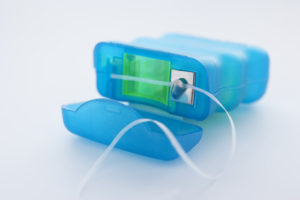
Many people don’t realize that when you brush you only reach about two thirds of the surfaces of your teeth. The remaining third is located between teeth where your toothbrush can’t reach. That is why flossing is important; dental floss reaches in between teeth removing food debris your toothbrush missed. Your dentist is not nagging when the subject of flossing comes up. When performed daily, the act of flossing cleans between teeth, and when done correctly, invigorates gum tissue helping keep teeth and gum tissue healthy.
Implant dentistry has come a long way in the past quarter century. Not only is having a dental implant becoming more commonplace, the restorations used to cover implants continue to improve making them more lifelike and virtually impossible to detect from natural teeth!
How your teeth look is important to maintain a healthy, pleasant appearance. Teeth that are stained, chipped, or missing may prevent you from making a good impression. A consultation with your cosmetic dentist will demonstrate how to overcome many dental maladies.
You may believe you are doing all the right things when it comes to brushing your teeth, but a quick review may reveal a couple of things you didn’t know. Your dentist is a wealth of information when it comes to brushing habits, and welcomes the opportunity to share that knowledge with you during your dental visits.
Brushing Tools
How often do you replace your toothbrush? Probably not often enough. If you brush for two minutes twice every day, the bristles on your toothbrush begin to wear down in three to four months. If you continue to use a toothbrush with worn bristles, you may not be getting your teeth as clean as you may think.
You should replace your toothbrush at least four times a year making sure the toothbrush you acquire carries the ADA Seal of Acceptance. If you should become ill, you should replace your toothbrush to prevent recontamination.
You should be using a toothbrush with soft bristles. While a hard bristle brush may seem like it would do a better job of cleaning your teeth, it can actually do more damage than good resulting in premature gum erosion and wearing away precious dental enamel.
Your dentist may recommend an electric toothbrush to help prevent brushing with a heavy hand. An electric toothbrush does all the work – you provide the guidance. And a timer will alert you when you’ve brushed the recommended two minutes.
Brushing Technique
You should brush two minutes twice a day, but did you know there is a correct way to brush? Using small circular motions, focus on a section of teeth at a time making sure you brush the front, back, and top of all teeth. Do not “scrub” your teeth – minimal pressure is all that is needed to clean your teeth. Brush gums and your tongue as well to keep them healthy.
Make sure you store your toothbrush correctly. Rinse it thoroughly following use and store it upright allowing it to dry out between uses. Make sure it does not touch other brushes that may be stored in the same container to prevent cross contamination.
Finally, since many foods and beverages contain acids that can soften dental enamel, you should wait at least thirty minutes to brush after eating or drinking. Feel free to rinse, but you can damage enamel if you brush too soon.
For more information or to schedule your next visit, contact our team at The Dental Place today.
Did you know that porcelain veneers can produce the appearance of a straight smile? It’s true. These cosmetic enhancements conceal an array of dental imperfections including orthodontic ones. When a series of porcelain veneers are bonded over teeth, a smile will appear perfectly straight and proportioned. For those with misaligned teeth and other imperfections, receiving porcelain veneers might be a great alternative to wearing braces.
Porcelain Veneers vs. Braces
Porcelain veneers and braces both produce straighter smiles but they do it in different ways. Veneers are cosmetic enhancements that are permanently cemented over the front surfaces of teeth. Braces, on the other hand, literally move teeth to straighter positions.
The straight-looking smile produced by porcelain veneers is done in two office appointments. Producing a straight smile with braces usually takes 18 months or longer, depending on a person’s orthodontic situation. There are many instances where braces are preferable to porcelain veneers since having your teeth aligned properly improves oral health.
Sometimes, however, braces might not produce the desired aesthetic one wants or porcelain veneers can be used to conceal minor imperfections in tooth placement that don’t necessarily pose risks to oral health. We recommend consulting with our cosmetic dentist to determine which treatment option meets your needs.
Benefits of Porcelain Veneers
Veneers are a cosmetic treatment that creates a complete smile makeover. These ultra-thin enhancements are custom made to fit perfectly over the front sides of teeth. Once they are bonded to teeth, they create the appearance of a white, straight, and proportionate smile.
Beyond concealing orthodontic imperfections, porcelain veneers will hide stained and chipped or cracked teeth. They are also ideal for concealing misshapen teeth and teeth with jagged edges.
Veneers look very lifelike. Since they are made from fine porcelain and have a beautiful glaze, they mimic the structure, appearance, and texture of teeth quite closely. Those who receive veneers should practice meticulous oral hygiene and visit their cosmetic dentist regularly for checkups to get the most out of their cosmetic enhancements.
Call The Dental Place to reserve a smile makeover consultation with our skilled team.
Did you know that dental checkups are very thorough? Dental examinations can reveal a number of oral health and general wellness concerns. With routine checkups and cleanings, your dentist can help you stay on top of your oral health and overall wellbeing. Following are four important aspects of dental examinations that you might not know.
Your Teeth and Gums Can Reveal Health Concerns
The state of your teeth and gums can reveal more than just oral health concerns. The health of the mouth and body is connected. Many oral health conditions coincide with general ailments, including chronic health problems like impaired immunity, fungal infections, and diabetes.
Your Dentist Can Tell if You’re Stressed Out
Are you losing sleep and peace of mind to stress? An oral healthcare provider might notice that you’re stressed out before you vocalize it. For instance, many people clench and grind their teeth – a habit called bruxism – as a response to stress. This habit can wear down your dentition and inflame your gums. The trained eye of an oral health professional might notice the effects of bruxism long before you do.
A Dental Checkup Can Save Your Life
During checkups, the health of the entire oral cavity is evaluated. On top of examining the condition of structures like teeth, bones, and gums, dentists and specialists look for signs of oral cancer.
Oral cancer screenings are an important part of checkups. Cancers that develop in the oral cavity can be fatal, but a person’s chances of survival are far greater when oral cancer is detected and treated as early as possible.
Regular Appointments Save Money and Time
Keeping regular appointments for checkups and cleanings can do more for you than just reveal issues; it can save you time and money. When problems are detected early on, they are less expensive and time consuming to treat.
For example, a small cavity is normally treated with a conservative restoration called a “filling”. Without treatment, that cavity will deepen and widen, making a filling ineffective. Larger areas of decay and damage require larger restorations like inlays and crowns, which are more costly and time consuming to receive.
Call The Dental Place today to reserve a checkup and cleaning with our dental team.
Parents may not realize it, but baby bottles can put their infants and toddlers at risk for tooth decay. When drinks containing sugar, such as fruit juice or soda or even milk or formula, come into contact with a baby’s teeth for an extended period of time, they can contribute to decay. The sugars in those drinks will serve as a source of nutrients for the bacteria that create acidic byproducts of digestion, which in turn cause cavities. Babies face a similar risk when parents dip pacifiers in sugar or honey before giving the pacifier to a child.
Fortunately, parents can take steps to prevent baby bottle decay. Refrain from putting your child to sleep with a bottle, unless the bottle contains water. The risk of decay is increased while your baby is asleep because saliva production goes down, making less of it available to clear away the sugars.
You can be taking other steps to promote optimal oral health for your baby, as well. Did you realize that it’s recommended for a child to see a dentist for the first time before his or her first birthday? This gives the dentist a chance to observe your child’s baseline at the beginning of dental development and monitor your child for any changes or deviations that may be cause for concern.
Parents can also begin a basic oral hygiene routine for their infants. With very young babies whose first tooth has not yet erupted, the gums can be cleaned gently using a wet washcloth. When your child’s teeth begin to come through, you can begin using a soft toothbrush and non-fluoride toothpaste.
It’s important to protect your child’s baby teeth from decay, which can be caused by a child’s bottle habits. When your child loses baby teeth prematurely, it can have negative effects for the permanent teeth that will follow. Prevent these outcomes by limiting your child’s consumption of sugary beverages, and schedule a check-up for your child by his or her first birthday.
Contact our team at The Dental Place for more tips like these!
Gingivitis is the early stage of gum disease. If the condition is left untreated, it can escalate into periodontitis. At this point, the patient is in danger of infection and the potential for tooth loss exists. A visit to the dentist for treatment is needed to restore your teeth and gums to a healthier condition.
There are several symptoms that warn that you may be dealing with the onset of gum disease including:
Bleeding gums – If you brush too aggressively or use a hard bristle toothbrush, you can make your gums bleed. However, if they bleed with little or no provocation, this is not normal.
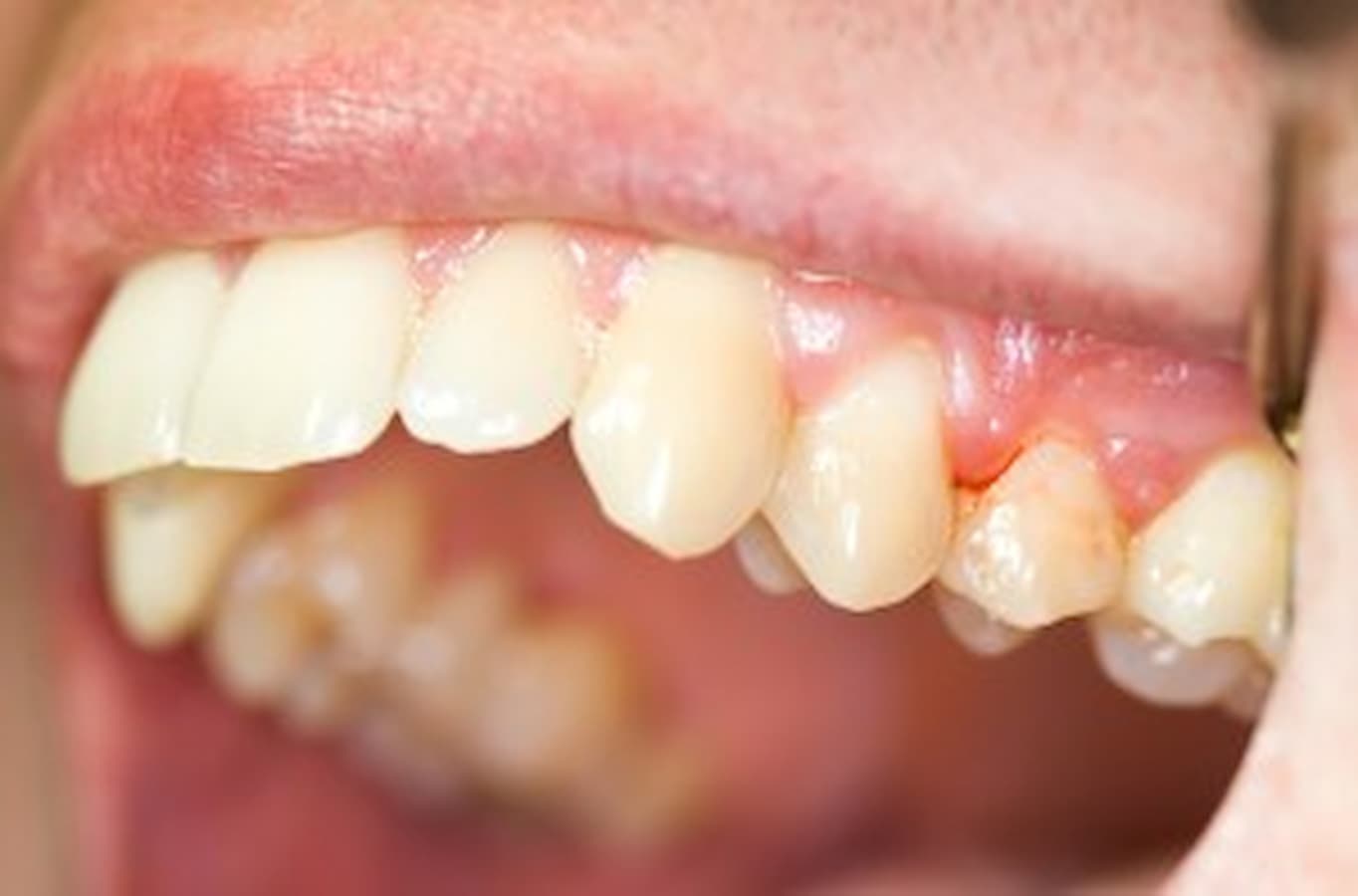
Gum appearance – Healthy gum tissue is pink and firm. Red and/or swollen gums are indicative of a problem.
Chronic bad breath – You might have bad breath following consumption of strong foods or beverages, but if a breath mint, mouthwash, or brushing still leaves you with a sour odor your oral health may be to blame.
Receding gum tissue – If gums are pulling away from teeth or teeth feel loose, this means your gum disease is advanced and dental care is needed right away.
Even patients that are diligent about daily brushing and flossing and regularly visit their dentist every six months can experience gum disease. It does not have to affect your entire mouth … a tooth, quadrant, or arch may be involved. It is important to see your dentist for treatment before early symptoms can escalate.
Dental x-rays, the presence of plaque build-up, as well as actual symptoms all help to diagnose gum disease. Treatment with root planing and scaling involves removing plaque from beneath the gum line. In some cases, antibiotics are recommended as well as prescription strength oral rinses. Ongoing treatment may be required.
Some of the causes attributed to gum disease include smoking and tobacco use, poor daily oral hygiene care (inadequate or improper brushing and flossing), missed or irregularly kept dental cleaning appointments, poor nutrition, regular soda consumption and alcohol/illicit drug abuse. Genetics have also been known to play a role in dental health.
Although most gum disease patients are adults, it is possible for children to develop periodontal disease. Teaching children about the importance of taking care of their teeth and making sure they see their dentist every six months are important to maintaining good oral health.
Contact our team at The Dental Place to schedule a consultation!
Dentures are a great solution for patients who have experienced tooth loss. Your dentist will discuss your options for the type of denture available for you as well as provide you with a thorough treatment plan so you will understand what you will undergo during the denture process.
A denture reline is basically a resurfacing of the side of your denture that rests against the soft tissues in your mouth. The primary reasons a reline are needed include:
Denture no longer fits well – this can be due to changes you have undergone in gum tissue due to bone loss resulting in gum shrinkage.
Wear and tear – when dentures are first placed they should fit securely. Over time a denture can feel like it’s moving when you chew or speak. A reline usually helps to restore the fit you experienced when you first had your denture placed.
Mouth sores – they can be very painful. They can result from a worn or poorly fitting denture. Regular visits to your dentist usually prevent this type of problem as your dentist will inspect your denture regularly during hygiene visits to insure your denture fits correctly.
Patients that require a denture reline should be able to get their denture back the same day. The dental lab can reline a denture if the patient is seen early enough in the day; many dental offices have in-house dental labs providing rapid service.
A reline is usually required every five to seven years, but this time period can vary somewhat from patient to patient. And your dentist may recommend more frequent relines to keep your dentures secure and comfortable.
Your responsibility as a denture wearer include daily care such as cleaning and soaking your denture to keep it looking its best; daily care is needed to keep breath fresh. Clean your denture with the appropriate tools; your toothbrush and regular toothpaste should never be used on your denture as they can be too abrasive.
Before placing your denture and after you remove it daily, brush your teeth making sure to brush the gum tissue where your denture lays to keep gums as invigorated as possible.
Never boil or microwave your denture.
See your dentist regularly. If your denture doesn’t feel right, allow your dentist to make any adjustments. Never try to “tweak” on your own. Contact us today to get your smile back to normal!

 Request an Appointment