The Dental Place

My gums bleed when I brush: Should I be concerned?

August 21, 2015

dentist Grand Prairie

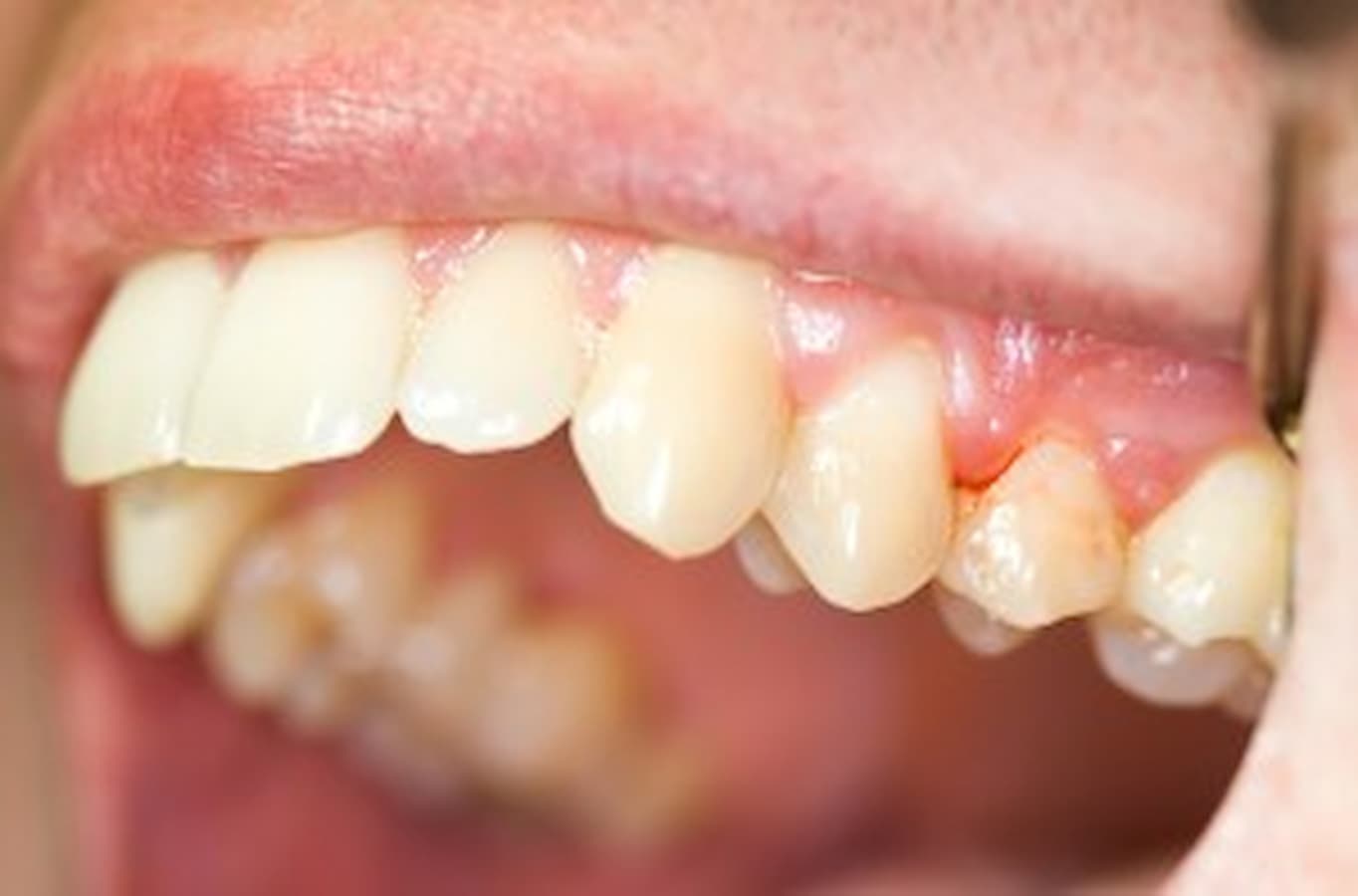
Many patients ask the dentist about bleeding gums and whether that symptom is cause for concern. The answer, in short, is a resounding yes! Bleeding gums are never normal, and they often indicate a mild form of gum disease known as gingivitis.

Gum disease is a progressive condition, and as it advances, it causes more damage to your gum tissue. In its most severe forms, gum disease can even lead to tooth and bone loss.

Fortunately, the mildest form of gum disease can be readily treated by your dentist with a thorough professional cleaning. If you act early, you can avoid the more invasive treatments that are needed for advanced periodontal disease.

Because gingivitis can be addressed with a professional cleaning rather than some sort of surgical procedure, it’s another good reason to be sure to see your dentist every six months. When you have an exam at such brief intervals, gingivitis has less of a chance to progress into periodontitis, the more severe form of gum disease.

Because gingivitis can be addressed with a professional cleaning rather than some sort of surgical procedure, it’s another good reason to be sure to see your dentist every six months.

The routine preventive cleanings you get at these regular appointments also can help to stop gingivitis in its tracks, as they clear away bacteria that may linger despite your best efforts to keep your mouth as clean as possible.

Other symptoms of gingivitis include red or swollen gums, tenderness in the gums and bad breath. If you notice any of these signs, call our office to schedule an appointment for an exam and treatment.

Keep in mind that preventing gingivitis (or a relapse) also depends on what you do at home. Brushing your teeth twice a day and flossing once a day will go a long way toward minimizing the oral bacteria that causes gum disease, including gingivitis. If you’re particularly prone to bacteria proliferation, you may want to ask if adding an anti-bacterial mouthwash would be beneficial, too.

Any bleeding in the gums is abnormal and should be evaluated by a knowledgeable professional. If you notice this symptom, contact The Dental Place at 972-264-5795 and schedule an appointment to be seen in our office as soon as possible.

Harmful Dental Habits to Avoid

August 7, 2015

dentist Grand Prairie

Everyone has bad habits, but if they’re ones that may be affecting the health of your teeth and gums, you should develop a plan to break them ASAP. Talk to our dentists Dr. Robert D. Maxey or Dr. Cecil F. George, Jr. for any advice on ways that you can improve your oral health by getting rid of these bad habits.

Here are a few that are particularly notorious for potential harm to a patient’s oral health. Make it a priority to improve on these if any of them are relevant for you.

  • Chewing on things – especially hard objects – that aren’t food: Items like ice cubes, pencils and fingernails can be hard on your teeth. If you have a tendency to chew on these things to ease your anxiety, you may have an increased likelihood of damaging your teeth or injuring your gums.
  • Grinding your teeth: Some patients may not even realize that they’re doing this, but bruxism (grinding of the teeth) can cause the teeth to wear prematurely. If you notice signs of uneven wear and tear on your teeth, talk to your dentist to see if you might be grinding your teeth.
  • Inadequate home oral care: Are you skipping out on your daily brushing sessions sometimes? Forgoing flossing? If so, the bacteria in your mouth can build-up and accumulate in plaque and tartar. Make sure to brush twice a day and floss daily. Rinsing after meals is also useful to clear away any food remnants that might remain in your mouth.
  • Postponing routine dental care: If you don’t see your dentist every six months, you may be putting yourself in position for more intensive dental care down the line. Routine appointments with The Dental Place in Grand Prairie, TX can help to pinpoint concerning symptoms when a condition is in its earliest, most treatable stages, which can mean less of a hassle for you.
  • Smoking: Smoking is associated with inflammation, and there’s some evidence that smokers may be more likely to develop periodontal disease. Smoking could also result in needing treatment from a cosmetic dentist to restore the look of your teeth.

Giving up as many of these habits as possible will only benefit your oral health. If you need guidance on how to get started or proper techniques for home dental care, contact our team at The Dental Place in Grand Prairie, TX. Call 972-264-5795 today to schedule your visit for any of our dental services in Grand Prairie.

Look Carefully at Dry Mouth: Causes and Treatment

July 24, 2015

dentist Grand Prairie

Some patients may think that dry mouth (xerostomia) is a mere annoyance, but it can actually have serious consequences for your oral health. If you’re experiencing this problem, talk to your dentist about steps that you can take to treat or prevent it.

When patients have inadequate saliva, oral bacteria have the opportunity to proliferate and they can increase the patient’s risk of gum disease and tooth decay.

In order to address dry mouth, your dentist will first look for the factors that may be causing the problem. Any of the following can contribute to dry mouth:

  • Side effects from medications, such as psychotropics, diuretics, allergy and cold medications and bronchodilators.
  • Symptoms of certain diseases, such as Sjorgen’s syndrome, Parkinson’s disease and rheumatoid arthritis.
  • Dehydration – if you’re not consuming enough liquids, especially water, your entire body can become dehydrated, including your mouth.
  • Medical treatments – Radiation for head and neck cancers may contribute to dry mouth, as can chemotherapy.
  • Tobacco use – Another reason to give up smoking or chewing tobacco is to reduce your risk of dry mouth.

If the dentist suspects a medical condition is contributing to your dry mouth, you may be referred to your primary care doctor or another physician for further evaluation. If medication may be the culprit, ask your doctor if there are any alternatives that don’t cause dry mouth.

Dry mouth is treatable. Make sure that you are drinking enough water, for starters. If that doesn’t provide some relief, consider chewing sugar-free gum to stimulate saliva production. Artificial saliva substitutes are available over the counter, and they can be tremendously valuable as well.

Of course, if you smoke, we highly encourage you to give up that habit. You’ll get a variety of health benefits, in addition to reducing dry mouth.

If you have any symptoms of dry mouth, such as excessive thirst, difficulty chewing and swallowing, sores in the mouth or dryness in the throat and tongue, contact The Dental Place at 972-264-5795 and consult with one of our dental experts to learn how you might address the problem.

Do genetics play a role in the overall health of teeth?

July 10, 2015

dentist Grand Prairie

As with other aspects of your health, genetics can certainly influence your oral health. Therefore, your dentist may inquire about your family history to help you better reduce your risks associated with these genetic factors.

Some patients may have a predisposition to thinner enamel thanks to their parents. This may make these patients more likely to develop cavities. If you have this hereditary history, your dentist may want to monitor you more closely for decay. There appears to be some genetic component to the risk of gum disease, as well.

The shape of your jaw can also be affected by your genes, and that, too, can affect the health of your teeth. For example, if you inherited a particularly narrow jaw from one of your parents, your teeth may be more susceptible to crowding, which can damage them and detract from your smile. Similarly, the size and the shape of the teeth are determined by your DNA to a certain extent, and those characteristics can also affect crowding. 

Beyond heredity, your parents can influence your oral health in other ways.

Beyond heredity, your parents can influence your oral health in other ways. For example, they can model good oral hygiene habits or show that they are not as conscientious about brushing and flossing. When your parents help you establish a routine as a child, you are much more likely to continue brushing, flossing and visiting the dentist on a regular basis as an adult.

Additionally, parents may also expose younger children to cavity-causing bacteria through kisses or by sharing food from the same plate. Some evidence suggests similar genetic material in oral bacteria found in members of the same family. Those same bacteria can cause gum disease, as well.

Your genes can affect your oral health, so it’s important to be aware of any oral diseases that your parents and other close family members may have developed in their lifetimes. To learn more about the link between your DNA and your dental health, bring up this subject at your next appointment. Contact our office today to schedule your visit.

My denture is causing sore gums: What should I do?

June 23, 2015

dentist Grand Prairie

Some patients complain of discomfort while wearing their dentures. Fortunately, this issue usually can be resolved in some way. When you have soreness, be sure to let your dentist know so that he or she can fix the problem.

If you have just gotten your dentures recently, within the past month or so, you may experience some soreness as you get adjusted to the appliances. Your dentist can make an adjustment to the appliance to give you relief from this symptom.

Has some time passed since you first got your dentures? The jawbone slowly wears away after the teeth have been removed or lost. As a result, the jaw’s contour changes over time and the denture doesn’t fit as well as it did initially. This, too, can cause discomfort.

As a result, the patient may experience sore gums due to the change in the fit of the denture. However, the denture can be re-lined to improve its fit and eliminate your sore gums.

Eventually, the jaw’s shape may change so drastically that re-lining the dentures will not be a sufficient solution. When this happens, the patient will need to get fitted for a new appliance. Not only will this give the patient more comfort, but it will also result in a more aesthetically pleasing and functional denture.

Sometimes denture wearers may develop infections that can cause soreness in the gums as one symptom. You can also be evaluated for this issue, and if it is at fault, it can be treated with antibiotics.

To get the most benefit and comfort from your dentures, be sure that you are following all of the instructions to care for them properly. Ask your dental providers if you have any questions about how to maintain them.

Patients shouldn’t have to endure sore gums merely because they’re wearing dentures. If you develop this symptom, come in to our office to have your dentures evaluated. There is likely a way to re-fit or re-design the denture so that it’s more comfortable for you.

Regular Dental Visits Can Save You Money

June 8, 2015

dentist Grand Prairie

Some patients may put off routine dental care out of financial concerns, but when you keep up with your regular appointments every six months, you actually may end up saving money by avoiding severe issues that require expensive treatments.

When your dentist sees you twice a year, it’s easier to keep tabs on any relatively minor changes and address them. For example, a patient may develop signs of early-stage gum disease from one visit to the next. This type of gum disease likely can be treated with a thorough professional cleaning, which is pretty affordable. However, if it progresses, it will require a more invasive – and expensive – intervention.

Eventually, gum disease can lead to tooth loss, which requires very costly solutions, such as dentures or dental implants.

The dental cleanings that you receive at these routine appointments can also save you money. They remove any bacteria and plaque that lingers on your teeth even after your own brushing and flossing routine. Without those cleanings, those bacteria can proliferate and they risk causing gum disease and tooth decay.

In some cases, regular visits to your dentist can even save your life through oral cancer screenings. The dentist will examine your entire oral cavity for thickenings, lumps, white patches or non-healing sores that could indicate a malignancy. When oral cancer is diagnosed early, before it has spread, the prognosis is good. Unfortunately, only a small percentage of cases are detected while they are contained to the oral cavity. Regular screenings can increase your chances of being in that percentage.

Of course, there are many other benefits that you get from visiting a dentist’s office every six months, including a more attractive smile and an opportunity to get expert advice on any concerns that you may have about your home oral care routine.

Our office accepts a wide variety of payments for check-ups and cleanings, including several insurances, cash and credit cards. Contact The Dental Place at 972-264-5795 to learn about your payment options and schedule an appointment.

Common Questions About Dentures

May 7, 2015

dentures Arlington TX

If you are suffering with tooth loss and need full or partial dentures, you probably have many questions about this type of tooth replacement method. Our practice is dedicated to helping patients achieve and maintain optimal oral health. Providing both full and partial dentures, our compassionate dentists offer some insight on commonly asked questions about prosthetic teeth.

What causes tooth loss in adulthood?

The leading cause of tooth loss is gum disease. This infection of gingival (gum) tissue can become severe without proper oral hygiene and professional treatment. When gum disease advances, tartar will accumulate below the gum line and along the roots of teeth. Over time, this accumulation of tartar will separate teeth from their support structures (gums and bone) causing them to loosen and eventually fall out. Tooth loss is caused by other factors, too such as extensive decay and traumatic injury to the mouth.

What is the difference between full and partial dentures?

Full dentures replace an entire arch of teeth in either the lower or upper jaw while partial dentures only replace some missing teeth. Partial dentures help fill in the gaps of a smile while also supporting neighboring biological teeth.

Will my dentures fit comfortably?

Each type of dentures, whether it is a full or a partial, is specially made for you in a dental laboratory. Our team will determine the exact size and shape of your dentures based on measurements of your mouth. Once the dentures are made, they are sent to our practice for their fitting. During this time, our team will make sure that they fit as intended. Of course, wearing dentures takes some adjusting in the beginning to get used to the feel of the prosthetics, but patients typically become used to their new teeth within a couple of weeks.

Are dentures difficult to clean?

No, dentures are not difficult to clean. However, keeping them clean is very important. Dentures are soaked overnight in a cleansing solution and the surfaces of prosthetic teeth should be brushed. Patients should also brush their gums, tongue, and the insides of cheeks to help reduce the presence of oral bacteria.

To learn more about your tooth replacement options, call dentist grand prairie to schedule a consultation with one of our dentists.

Will My Tooth Need Additional Treatment Following a Root Canal?

April 9, 2015

root canal Arlington TX

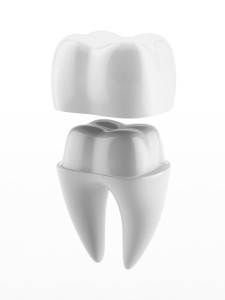
Root canal therapy is a tooth-saving procedure than can greatly improve patient comfort and salvage a tooth from extraction. Depending on a patient’s needs, root canal treatment may be followed by restorative dental treatment such as a filling or crown. When it comes to providing endodontic and restorative treatment, our experienced dentists provide gentle and thorough care to patients in our community.

What is involved in a root canal treatment?

The root canal is a chamber inside the tooth, that when exposed to external oral bacteria, can become infected and inflamed. Inside the root canal lie pulp (which contains cellular material) and the nerves inside teeth. When a root canal is exposed and infected, it can cause severe discomfort in the form of sharp pain when eating and drinking and/or persistent toothache.

Root canal therapy is necessary to alleviate pain and discomfort and for saving the tooth from death. Using tiny dental tools, our team will access the root canal from the outside of the tooth and remove all infected structures including the nerve and pulp. The inside of canal will be irrigated, cleaned, and then sealed off with a special rubber-like compound to protect the structural integrity of the tooth.

Some patients worry that root canal treatment causes discomfort but the truth is that without professional care, a patient’s symptoms will only worsen. During endodontic treatments, our team provides anesthetic medicine and mild sedatives (if necessary) to ensure that our patients are relaxed and comfortable.

How do I know if I will need restorations after root canal therapy?

After a thorough examination, our dentists will determine whether a patient will also require restorative dental services in addition to root canal treatment. Restorations may include the placement of a filling or a crown. Our team will help you decide which restoration material(s) are appropriate for your needs. The goal of endodontic and restorative dentistry is to improve oral function and quality of life.

To schedule an appointment, call 972-264-5795 at your convenience.

Dentistry Myths: Only Children Get Cavities

March 12, 2015

dentist Grand Prairie

Some patients mistakenly believe that cavities are only an issue during childhood. While cavities are especially common among children, patients of any age can develop tooth decay. Tooth decay is caused by a specific strain of bacteria that is transmitted orally from one person to another (normally during infancy). This fact is why cavities are actually classified as an infectious disease. To help prevent the damaging effects of decay, our dentist recommends that patients of all ages receive regular cleanings and checkups and practice a thorough oral hygiene regimen.

Why are children more susceptible to tooth decay?

Children are more susceptible to cavities for a number of reasons—the main reason being that kids typically have difficultly thoroughly cleaning their mouths when brushing. Another reason children develop decay is the fact that baby teeth typically have fissures where food debris and bacteria collect at the back of the mouth. To help minimize harmful oral bacteria, children should avoid sugary and starchy foods.

How can I prevent cavities?

Preventing cavities involves a multifaceted approach. First, patients—regardless of age—should properly clean their teeth with home care practices. Patients should brush their teeth at least twice a day, preferably after meals with an ADA-approved toothpaste and toothbrush. Ideally, patients should brush for at least two minutes at a time to clean away debris and plaque. Patients over the age of five should floss between teeth at least once a day to keep hard-to-reach areas clean.

In addition to oral hygiene, patients should avoid sugary and acidic foods. Sugar feeds oral bacteria and acid weakens tooth enamel—a mineralized substance around teeth that protects teeth from harmful bacteria. Bi-annual professional cleanings and dental checkups are also important for preventing oral health conditions. Using specialized tools, our dental hygienists can remove tartar from teeth and the gum line. With regular checkups, our team can detect issues that may lead to decay as early as possible.

To schedule an appointment with any of our dentists for an examination or cleaning, call The Dental Place today.

Dental Veneers: Are there special considerations?

February 10, 2015

veneers Arlington TX

Dental veneers are very thin covers permanently cemented on the front of problematic teeth. Veneers are a minimally invasive answer to resolve multiple dental problems such as:

Stained teeth – When your dental hygiene visit or teeth whitening does not resolve your cosmetic issues, dental veneers can turn stained, discolored teeth into the smile you have always coveted.

Chipped or broken teeth – In lieu of more extensive dental work, veneers can cover problems evening out chipped or misshapen teeth.

Uneven or unwanted spaces in teeth – Veneers can seem to close gaps or make teeth appear symmetrical in just a couple of visits with your cosmetic dentist.

Gum recession – This may not affect all of your teeth; and the beauty of veneers is that you only need to treat the teeth requiring care. The material most veneers are made from adapts well to gum tissue making them comfortable and easy to adjust to.

Veneers are mostly made from porcelain, a stain resistant material. And although these porcelain covers may strengthen weakened teeth, veneers are not indestructible. Your dentist should advise you of things you should not attempt with your veneers (or untreated teeth either!).

  1. Do not bite fingernails – this is not only unsanitary, it is destructive to dental health.
  2. Do not use teeth to open packages – use a knife or scissors to prevent breaking a tooth or dislodging a veneer.
  3. Do not bite directly into foods that are hard, chewy, or crunchy – use a knife and fork to consume foods that may be too hazardous for veneers.
  4. Although stain resistant, always brush or rinse following consumption of coffee, tea, red wine, berries … anything with the ability to stain your dental enamel may discolor your veneers.
  5. If a veneer does break or become dislodged, your cosmetic dentist may need to fabricate a new one – veneers are generally not repairable.
  6. Veneers are permanent – Have a frank discussion with your dental provider to learn all the facts about dental veneers. Since most veneers are permanently placed, work with your cosmetic dentist closely on the shape, size, and shading of your desired outcome.
  7. If teeth whitening is desired for untreated teeth, complete this first so your veneers will be made to match your newly whitened teeth.

The finished product will be a smile makeover to enjoy. To schedule your professional consultation, contact our skilled team at 972-264-5795 today!