The Dental Place

Tooth Trauma Doesn’t Have to Mean Tooth Loss

January 22, 2016

dentist in Grand Prairie

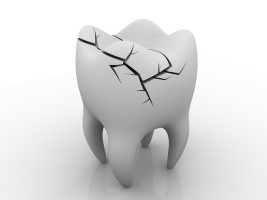
Did you know that injured and badly damaged teeth could sometimes be saved? If you crack, dislodge, or allow a tooth to become deeply decayed, there is hope with endodontic therapy. This type of treatment can prevent the need for the surgical removal (extraction) of a tooth. When a tooth is injured or diseased, it is important to visit the dentist as quickly as possible so that our team can determine if the tooth can be saved with root canal therapy (endodontic treatment) and restorations.

How Root Canal Treatment Saves Teeth

Inside the roots of teeth is a small canal. This canal is a chamber-like area that contains nerve endings and dental pulp. Nerve endings and pulp are sealed off from debris and irritants in a healthy tooth, but if a tooth is substantially damaged from trauma or disease, this material inside the tooth is exposed to bacteria and debris, and can become infected. When the nerve endings and pulp become infected, patients typically experience severe discomfort and the tooth itself can die or an abscess will form.

To remedy the effects of an exposed root canal, endodontic treatment is necessary. This treatment involves accessing the root canal with small tools and removing its contents including the nerve endings. The inside of the canal is then irrigated to remove all debris and irritants. Once this is done, the root canal is sealed with gutta-percha, a rubber-like compound that will protect the tooth from the inside out.

By removing the infected contents inside a tooth, our dentists can prevent the development of an abscess, the loss of a tooth, or the need for an extraction. Sometimes, teeth that have been knocked out, dislodged, and impacted can be saved with this type of treatment.

Teeth can’t always be saved, however, and extractions may be required to prevent problematic oral health issues. When extracting teeth, our team takes great care to ensure a positive and comfortable experience.

For more information, contact The Dental Place at 972-264-5795 today to reserve an appointment.

Enjoy a More Natural Looking Smile with Tooth-Colored Fillings

January 8, 2016

dentist Grand Prairie

There was a time not too long ago that a tooth filling was silver. Over time, the silver darkened. But since that was the only material available to correct dental decay, everyone was in the same boat. If you had a cavity, you had a silver filling.

However with the discovery of composite resin to correct a number of dental problems, you no longer have to suffer with this cosmetic issue.

The resin is made from a plastic and can be designed to match your natural tooth making dental repairs virtually undetectable and safe. It is used for:

Dental bonding – a chipped tooth can appear whole again. Tooth stain can be blended away making this cosmetic enhancement beautiful and affordable. For gum recession, the bonding material can be added to provide comfort by protecting a portion of the tooth’s exposed root as well as adding a cosmetic benefit.

Decay – when a cavity occurs, your dentist is no longer forced to remove a great deal of your tooth to hold the filling in place. Removing less of the tooth allows it to maintain more structural strength. With tooth-colored fillings, the decay is removed and the restoration is placed in stages providing added support and natural appearance with each layer. Your dentist is able to provide the correct contour and shading to provide a repair that will match neighboring teeth.

Updating old fillings – patients can replace old amalgam fillings with tooth-colored resin.

Caring for teeth treated with composite resin is the same as performed before … brush twice daily with a fluoridated tooth paste and floss daily to remove food debris not reached by the tooth brush.

See your dentist every six months for a complete cleaning and dental exam. The dental exam will identify potential and existing problems that can be treated before they have a chance to escalate into time consuming and costly treatment.

If decay is detected, you know you will be able to undergo correction that will enhance your smile, not detract from it. For additional information or to schedule your visit, contact our team at The Dental Place today.

New City, New Dentist: What to Look For in a Dental Provider

December 21, 2015

dentist in Grand Prairie

Did you just relocate to a new city? Since your to-do list may seem like it is a mile long, there are some important tasks you might overlook. For instance, many folks remember to find a new physician but often forget to look for a new dentist. When looking for a dentist, there are a few things to consider. Our team offers some helpful insight on finding the right dental practice to suit your needs, lifestyle, and what you should look for when choosing a dental health provider.

Begin Your Search Online

These days, the Internet can reveal a lot more about a dental practice than a simple Yellow Pages entry. With the Internet, you can search for specific oral health services in your community. Some dental offices have social media accounts and websites. This will allow you to learn more about their practice philosophies, how they approach treatment, and if the staff has special training or certifications to perform specific types of treatment. On many websites, you will find helpful information about billing, office hours, and sometimes, patient forms, which you can download and fill out before your first visit.

Read Reviews

These days, there are a number of ways to read reviews. From Yelp to Facebook, finding reviews on any business is quite easy and the same goes for a dental practice. When reading reviews, keep in mind that negative feedback may not be accurate or truthful. As far as positive reviews go, look to see if patients discussed their experience. If a reviewer mentions that he or she felt welcome or received personalized attention, this is usually a good indicator that the office runs efficiently and its staff takes a devoted approach to providing treatment.

Call for Questions

If you are new in town, feel free to call a dental practice if you need to inquire about services and whether a practice is accepting new patients.

With the Internet, finding a dental provider has never been easier; however, our practice encourages patients to take advantage of the wealth of information online to make informed decisions.

If you have recently moved to the area and it’s time for your next dental exam and cleaning, contact our friendly team at The Dental Place. Call 972-264-5795 today to reserve an appointment.

A Healthy Body and Healthy Smile Go Hand in Hand

December 7, 2015

 dentist Grand Prairie

In the past decade or so, there has been a shift in the way medical professionals approach healthcare. This is because research has shown time and time again that all of the body’s systems are connected and the health of each independent system affects the overall function and performance of the human body. This principle is true for oral health, too.

Achieving and enjoying wellness means that safeguarding one’s oral health should be a daily priority. Not only should folks commit to thorough oral hygiene practices and healthy eating, visits to the dentist for routine checkups and cleanings should not be missed. Following are some helpful tips for protecting your oral health.

The Importance of Oral Hygiene

Most of us have been taught since childhood that flossing and brushing our teeth is very important. Even though we know this to be true, it is easy for people to slip into bad habits—whether it be not brushing thoroughly or long enough and forgetting to floss. Every time a person skips flossing or brushes without mindfulness is an opportunity for oral bacteria to colonize and form plaque. On top of plaque formation, inadequate oral hygiene practices mean that any leftover plaque can harden into tartar, which is not removable without a professional dental cleaning. Our practice recommends that oral hygiene be taken seriously and thoughtfully. Patients should brush for at least two minutes each time, two to three times a day. Flossing daily is just as important as brushing, too.

Dietary Tips

What you eat and what you drink affects oral health just as much as it affects your energy levels and blood sugar. Anything consumed with high sugar content will feed oral bacteria. Additionally, foods and beverages with acidic ingredients will weaken tooth enamel. We recommend consuming acidic and sugary foods or drinks in moderation. Drinking water is also important. Water will help flush away debris and leftover food. Hydration is essential for keeping soft oral tissues moist, which can prevent irritation and inflammation of the gums.

Lastly, when committing to living a healthy lifestyle, dental checkups are just as important as yearly physicals. To schedule a cleaning or examination with our skilled team of dentists, call our practice today.

Cosmetic Dentistry: The Art of Beautiful Smiles

November 23, 2015

cosmetic dentist Grand Prairie

The way that a person’s smile looks has a great impact on self-confidence and appearance. In today’s modern culture, it is obvious that straight, white smiles are highly coveted. Some folks may believe that a person with a beautiful smile is just lucky but the truth is that most good-looking smiles have little to do with luck at all. Behind countless beautiful smiles is the work of a cosmetic dentist. Our practice offers a number of cosmetic services to help member of our community look and feel their best. From professional teeth whitening and white restorations to porcelain veneers, we can improve the appearance of any imperfect smile.

Tooth-Colored Fillings and Crowns

Almost everyone will need some dental work in his or her lifetime. In the past, restorations like dental crowns and fillings were made from dark metal materials. Today, however, our cosmetic dentist offers much more natural looking options. For fillings, we offer composite resin. This compound is durable and tooth colored, which means that a simple filling will not give away that one has had a cavity or two. More extensive restorations such as crowns can appear natural looking, too. Porcelain and porcelain fused to metal crowns are incredibly popular among patients who desire discreet, tooth-colored dental work.

Professional Teeth Whitening

Since store bought products fall short on whitening permanent tooth stains, our practice provides professional whitening systems that penetrate the enamel surface of teeth where deep stains form. Opalesence, the whitening system we use, offers prescription-grade bleaching agents that safely whiten teeth about eight to ten shades brighter.

Porcelain Veneers

For those in need of a complete smile makeover, porcelain veneers are a great option for achieving a white, straight, and uniformly proportionate smile. Veneers are razor-thin pieces of porcelain that are custom made to fit over teeth. They are permanently bonded to the outer surfaces of teeth to conceal flaws and imperfections.

If you would like to improve your appearance with cosmetic procedures, we recommend scheduling a consultation with our caring cosmetic dentist. At your appointment, we will guide you through your different options to help you determine which procedure is best for you.

Call us today to schedule your visit.

When is tooth extraction recommended?

November 9, 2015

dentist Grand Prairie

Sometimes teeth must be removed when they become a danger to oral health. When teeth are badly diseased by decay or broken beyond repair, a surgical procedure called a tooth extraction is necessary to prevent oral health complications, restore oral function, and improve a patient’s quality of life. Our dentist may recommend a tooth extraction when wisdom teeth are stuck in the gums or if teeth are failing due to disease or injury. Following is some helpful information about how removing teeth can improve one’s health and level of comfort.

What can be done to prevent a tooth extraction?

In some cases, the need for extraction can be prevented with root canal therapy and by placing restorations. Root canal therapy cleans and seals the inside of an infected tooth, preventing the nerve endings from dying and the infection from forming an abscess. Restorations can help protect against future damage by covering a portion or the entire surface of an affected tooth. While these options are often successful, an extraction cannot always be avoided.

Will I be comfortable during oral surgery?

When extracting a tooth, our team takes great strides to ensure that our guests are comfortable during and after their procedures. During treatment, we will administer anesthetic medication and possibly a sedative to promote a relaxing experience. After the tooth is removed and a patient is ready to go home, we will provide a post-operative information packet that contains everything one needs to know about caring for their mouth after a procedure including tips for minimizing discomfort and which foods are best to consume.

What are my tooth replacement options?

After a tooth is removed, patients will need to evaluate their tooth replacement options. A bridge is a common method for addressing tooth loss. Custom made in dental laboratories, bridges are a series of crowns that bridge the gap between biological teeth and empty tooth sockets. Another option for tooth replacement is a dental implant, which consists of receiving a titanium post in the jawbone to replace a tooth’s root and a permanent dental crown to fill in the gaps of a smile.

Call our friendly team at The Dental Place today to reserve an appointment.

Purpose of a Dental Sealant

October 20, 2015

dentist in Grand Prairie

When you “seal” something, it is often done to protect or preserve what you have sealed. The same idea applies to a dental sealant. Your dentist may recommend placing sealants on all permanent molar teeth that have not been affected by dental decay for use as a protective shield.

The process for obtaining dental sealants is fast and easy. Teeth are thoroughly cleaned; they are treated with a material to aid in the bonding effect of the sealant; sealant is applied; and a laser or curing light is used to expedite drying of the sealant. There is no need to anesthetize the teeth for treatment.

Although teeth appear to be smooth, there are many pits and indented areas on the teeth’s surface. The sealant material is literally painted on the surface of the tooth. The sealant flows into these spaces and forms a protective barrier to seal out the bacteria that eventually can evolve into dental decay.

Once a permanent tooth has emerged, your dentist or dental hygienist will encourage the application of the sealant as a means to protect the chewing surfaces of the teeth. And they have proven to be an effective deterrent for the formation of dental cavities.

The age of the patient is not a factor; however, as soon as practical it is advised to have sealants applied to the healthy teeth of your children. But teens and adults can enjoy this same protection for teeth unaffected by decay.

Dental sealants can last for many years; however, depending on the patient, sealants may need to be re-applied. Your dental provider can spot worn areas (patients that grind their teeth may be more likely to require re-treatment); or teeth where the sealant has broken off.

Why are dental sealants important? Application of the sealant is painless and easy … repairing dental decay is time consuming, costly, and can be uncomfortable. Teeth unaffected by decay are much healthier. Once decay has permeated the tooth, treatment to repair it weakens the foundation of the tooth.

Prevention is almost always the better path than having to fix a problem. And although brushing, flossing, and twice yearly dental visits are wonderful preventive measures to maintain excellent dental health, when additional treatment can provide an extra means of protection, it just makes sense to take advantage of it. For additional information, contact our skilled team today.

Do dental crowns require special care?

October 6, 2015

dental crown Grand Prairie

A dental crown has the capability to perform many functions, and saving a tooth by protecting it with a crown is one that has allowed millions of people to maintain excellent dental health.

Caring for a crown is the same as the steps you take to care for your biological teeth. You need to brush at least twice daily with a fluoridated tooth paste; floss daily (your dentist can show you how to successfully floss around a crowned tooth); and keep the twice yearly dental appointments to have your teeth thoroughly cleaned and examined.

Crowns not only allow your dentist to save your tooth, but they look natural and can last for many, many years. Some of the ways a dental crown can help you preserve your good dental health include:

Correct a cracked or broken tooth … there is no need to extract a tooth that has broken down. Removing a healthy tooth base simply means that you will need to learn to function without a tooth or spend hours and lots of money to correct with an alternative restoration.

Complete treatment following root canal therapy … when infection or trauma impacts the nerve of a tooth, endodontic therapy may be the only way to save the tooth from extraction. Once a root canal is completed, the access point needs to be sealed. A dental crown is an ideal way to finish the job.

Dental decay can attack a tooth more than once … when a tooth can no longer sustain further repair without risking its viability, a crown may be recommended. There are partial crowns (inlays or onlays depending on where the decay is prevalent) that may serve this purpose without having to remove more of the natural tooth.

As a means to support a fixed prosthesis … one or more dental crowns allows the patient to enjoy having lost teeth permanently restored.

When seeking a permanent solution to the loss of one or more teeth … dental implants are becoming more popular. They restore the ability to eat and speak with the same freedom you enjoyed before tooth loss; and they are protected with a restoration that is so natural and lifelike, it is difficult to discern the crown from natural teeth.

Although consuming some sticky foods may be discouraged, dental crowns provide solutions without requiring any special follow-up care.

To learn more about dental crowns or to schedule an appointment, contact The Dental Place at 972-264-5795 today.

Tips to Protect Tooth Enamel

September 22, 2015

dentist in Grand Prairie

Standing between oral bacteria and tooth decay is your tooth enamel. This mineralized coating that surrounds teeth acts as a barrier to destructive bacteria that cause cavities and weaken teeth. It’s important to understand dental anatomy to develop an understanding of how to protect tooth enamel (and your teeth) from damage.  Tooth enamel is the strongest substance in your body; in fact, it’s harder than bone. Although enamel is tough and durable, it can be damaged by common habits and lifestyle choices. Exposure to acid and teeth grinding can weaken enamel. Following are some helpful tips for protecting the health of your teeth.

Practice Thorough Oral Hygiene

Proper oral hygiene is an important factor in keeping teeth and gums healthy. When you brush and floss, you disrupt bacteria from colonizing and you remove food particles that serve as fuel to bacteria. Once bacteria feed on sugar compounds, they release acid as a by-product. Acid weakens tooth enamel over time. If you don’t keep your teeth and gums clean, bacteria will colonize and thrive in your mouth. By cleaning your teeth and gums, you can help starve bacteria. Be sure to brush at least twice a day with fluoridated toothpaste and floss every day.

Do Not Grind Your Teeth or Chew on Inedible Objects

Grinding your teeth (bruxism) and chewing on inedible objects is a common way many people deal with stress and emotional upset. Unfortunately, chewing on hard objects or grinding one’s teeth can damage tooth enamel over time. Chewing on hard objects or teeth scraping against each other will ultimately wear down tooth enamel and leave the unprotected structures of teeth vulnerable to harmful bacteria.

Visit the Dentist for Regular Cleanings and Checkups

Even if you practice oral hygiene and avoid sugary or acidic food, you can put your teeth at risk if you forego regular checkups and cleanings at our practice. During visits to our office, our team will look for signs of enamel loss. If caught early on, we can take preventive measures such as administering fluoride treatments or placing dental sealants to protect teeth from permanent damage.

Call our dentist grand prairie office to schedule an appointment today!

Why do I have a dark spot on my tooth?

September 8, 2015

Grand Prairie dentist

Do you have discoloration on your tooth? Are you wondering whether a dark spot on your tooth is purely cosmetic in nature, or is it the sign of an oral health condition like tooth decay? Most of the time, tooth discoloration is caused by external factors like darkly colored foods and drinks that stain teeth. Even though a dark spot on your teeth is likely just a cosmetic issue, it’s still a good idea to visit us for a checkup just to make sure your oral health is in good standing.

How do permanent stains develop?

If the dark spot on your tooth is the result of permanent staining, it likely developed from a common daily habit such as drinking coffee or smoking cigarettes. Teeth are permeable and over time, dark compounds can seep through the enamel layer of teeth and form a permanent stain. This type of staining is called extrinsic tooth discoloration and it is normally addressed with cosmetic treatments, if the patient feels it is necessary. Most permanent stains are treated with professional whitening treatments prescribed by our dentist. Professional whitening can lift away deep stains and lighten teeth about eight to ten shades.

How does decay cause tooth discoloration?

Yellowing or darkening of the tooth can mean that a tooth is damaged from tooth decay. The only way to be sure if discoloration is more than cosmetic is to schedule an oral checkup at our practice. If decay is present, bacteria have eaten through the soft, dentin structure of teeth. As a result of a cavity, the exposed dentin of a tooth can darken. A dark spot on a tooth may also mean that the inside of the tooth is damaged. For instance, dark spots may be an indicator that a tooth is deeply decayed or infected.

If decay is the reason for discoloration, our team will recommend an appropriate restoration. Fillings are used to restore damage done by small cavities while crowns are used to restore an entire tooth. Restorations will protect teeth from further damage as well.

To schedule a checkup or cleaning, call our friendly team at The Dental Place today- dentist grand prairie.