The Dental Place

Dental Implants Offer A Long-Term, Permanent Solution

January 9, 2015

dental implants Arlington TX

Tooth loss is difficult to accept no matter the reason it occurs or the age you are when it happens. However, today there is a wonderful solution to tooth loss that restores function and aesthetics, and that is with a dental implant.

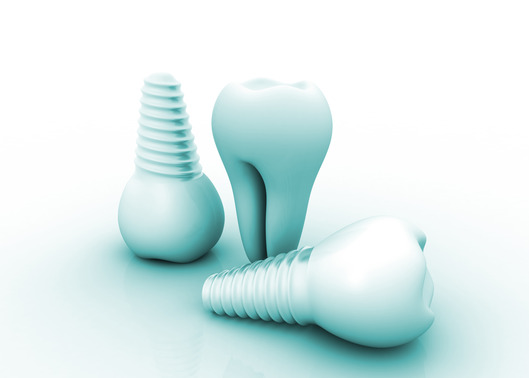
A dental implant procedure allows your dentist to place a small device made from titanium in gum tissue where tooth loss has occurred. Titanium has been researched and found to be a metal most receptive to the body limiting rejection. In addition, bone fuses naturally to this metal incorporating it as a permanent part of the dental anatomy providing a strength and support very much like the roots perform for a biological tooth.

The patient receiving a dental implant will undergo several months of healing before receiving the final restoration to complete treatment. During this healing period it is imperative that the patient keep the implant area clean by brushing and flossing as directed by your dentist. Infection is the leading cause of implant failure, so keeping the implant as free from bacteria as possible is crucial.

Tobacco use is also a problem for the implant recipient as smoking is another leading factor for implant failure. A commitment from the patient to follow the instructions given by their dental provider will ensure a better chance for success.

Once the healing period is completed, the phase of uncovering the implant and placing the hardware to affix the restoration is implemented. The final restoration can be made of one unit (tooth), several teeth in the form of an implant supported bridge, or multiple implants to support an entire arch.

Your dentist will work with the dental lab to fabricate the restoration that will be the perfect match to remaining teeth in coloring, shape and size.

Dental implants will return you to total dental function with the ability to eat all the foods you love; you will be able to speak without any impediment due to missing teeth; and you will smile with renewed self-confidence.

Caring for dental implants is much like the care needed for natural teeth. Daily flossing, brushing after meals, and keeping twice yearly appointments with your dentist at The Dental Place to clean your teeth and monitor for any potential dental issues should allow you to enjoy a healthy smile for a lifetime.

The Role Nutrition Plays in Maintaining Healthy Teeth

December 8, 2014

Grand Prairie dentist

A conversation with your dentist will enlighten many patients that brushing and flossing are critical to maintaining excellent oral health; but there’s much more involved to enjoy healthy teeth and gums for your lifetime.

Teeth serve us in many ways … they help us to form sounds correctly; teeth are needed to chew; and a beautiful smile contributes to self-confidence and feeling great about appearance.

So what role does proper nutrition play?

  1. Fresh fruits and vegetables are not always available; thankfully today we have easy access to frozen nutritious choices and they are as healthy as fresh. Many fruits can satisfy a sweet tooth with a more healthy option than a sugar laden snack. Vegetables offer many of the vitamins and minerals naturally that promote good health.
  2. Staying hydrated is important to the body, but beverages can help to keep the mouth flushed from bacteria that contributes to plaque build-up. However, what we drink makes a huge difference. Tap water in most communities contains fluoride and is probably the healthiest beverage available (and is economical too).
  3. Reducing sugar consumption is a wonderful way to improve your dental health … and sugar is not just in sweets like candy, cookies, and ice cream. The sugar contained in “healthy” foods like yogurt, cereals, and many beverages touted as being nutritious counts just as much as the sugar in sweets.
  4. Teeth can become stained with the consumption of many foods and beverages. To keep teeth their brightest, limit beverages like coffee, tea, red wine, and cola. Colorful foods like tomato sauce, beets, and many berries have the ability to stain dental enamel. If you know you are going to consume these items (and many of them are good for you), plan on rinsing or brushing as soon after eating/drinking that you can.
  5. A well balanced diet will help promote the ability to sleep sufficiently, which will also contribute to your oral health. Just remember, the reverse is true as well. Too much caffeine, sugar, or fat in the daily diet can keep us awake at night.

Understanding the role nutrition plays in oral health starts with young children. Your dentist can help with that education process, so take advantage of the time spent in your dental office every six months to learn how nutrition can impact your dental health. To learn more, call our office at 972-264-5795.

DIAGNOdent: What are the benefits?

November 10, 2014

dentist in Grand Prairie TX

Imagine that your dentist possesses technology to detect tooth decay at its earliest stages with a special laser. While this may sound like something from a science fiction film, it is actually possible. In fact, our skilled dentist is proud to use some of the most state-of-the-art technology available including the DIAGNOdent device that detects cavities sooner than normal examination methods can.

The Basics on DIAGNOdent

DIAGNOdent is a portable device that utilizes a laser light beam to detect cavities. It works by measuring and recording wavelengths reflected by the laser. This technology can detect tooth decay in its earlier stages before the cavity deepens and causes more damage to a tooth.

The laser works by first producing a record of the baseline wavelength of healthy tooth enamel. Tooth enamel is the mineralized barrier that surrounds teeth to protect them from bacteria that cause decay. However, when enamel is damaged, bacteria can attack the surfaces of teeth and create cavities. As our dentist uses the laser to scan the teeth, the DIAGNOdent machine will alert any changes in the baseline wavelength. When an alert shows that the wavelength is lower, it indicates that enamel is damaged and potentially the formation of a cavity.

Benefits of DIAGNOdent Technology

The most impressive benefit of using the DIAGNOdent laser is the earliest possible detection of decay. This allows our dentist to address dental caries as conservatively as possible. When decay is found early on, smaller restorations can be used so that more of the biological tooth’s structure is kept intact.

By receiving regular examinations and utilizing advanced technology, patients can reduce their costs for dental treatment such as crown placement, root canals, and tooth extractions. Teeth are incapable of repairing themselves and this is why damaged and diseased teeth must be treated with restorative and endodontic therapies. DIAGNOdent also helps our team detect enamel loss, which can be addressed with sealants and fluoride treatments.

Our team is proud to offer the latest technology to help our patients maintain or achieve optimal oral health. Contact our office at 972-264-5795 to reserve an examination or cleaning.

Why do I need root canal therapy?

October 7, 2014

 root canal Arlington TX

Teeth are very unique biological structures—especially when compared to other parts of the body such as tendons and bone. For example, when you injure a tendon or break a bone, these structures can self-repair and generate new tissue. Teeth, however, cannot self-repair once damaged by injury or disease. This is why restorative and endodontic therapy such as a root canal treatment must be performed by a dentist to restore the health of a tooth.

What is the root canal?

The root canal is located inside the tooth. This chamber houses pulp, nerves, and cellular material. In a healthy tooth, the root canal does not come into contact with debris from food or harmful oral bacteria because it is sealed.

What is root canal therapy?

When the root canal is no longer sealed off from bacteria and harmful particles, the nerves can become infected and inflamed. An infected root canal can produce very uncomfortable and painful symptoms such as toothaches. Because teeth are living structures, an infected root canal can cause the tooth to die, where it will fall out or need to be removed by a dentist. To prevent this from happening, root canal therapy involves clearing away the infected structures inside the root canal and sealing the root canal so that further damage does not occur.

Why is it necessary to have root canal therapy?

If our dentist recommends that you receive treatment for an infected root canal, it is because your tooth needs to be saved. If you wait too long to receive a root canal or forego receiving treatment altogether, you will ultimately lose your tooth. This is because the infection inside your tooth will only worsen and it will likely cause daily discomfort.

Our dentist is trained to perform root canal treatment as gently as possible. Most of our patients report positive experiences and no longer suffer with discomfort once their root canal is cleaned and sealed.

To schedule an appointment, contact any of our experienced dentists at The Dental Place today.

Types of Dentures

September 4, 2014

dentures Arlington TX

Although teeth are meant to last a lifetime, many patients begin losing teeth in adulthood for a variety of reasons. As we age, our teeth become weaker and more vulnerable to injury and disease. Our dentist understands that tooth loss happens and can negatively affect a patient’s overall wellbeing and oral health. Since tooth loss has far-reaching effects on a patient’s quality of life, our team is proud to offer a variety of custom made dentures to help restore oral function and improve quality of life.

Removable Dentures

Dentures have been used for centuries; however, their construction has been drastically improved in recent years. Today, receiving dentures is a very customized experience. Made from life-like materials that match the color of gums and teeth, dentures are made to fit individual patients’ mouths by trained dental technicians.

There are two types of removable dentures. The first type of removable denture is called a partial. A partial denture replaces missing teeth while also supporting existing natural teeth. Partials are snapped on using metal brackets. Full dentures replace an entire arch of lost teeth in the upper or lower jaw and rest on top of the gum tissue.

Stabilized Prosthetics

In addition to offering removable prosthetics, our dentist provides implant supported dentures and bridges. Implant supported dentures are removable but they are stabilized by at least two dental implants in the upper or lower jaw. Instead of relying solely on the shape of the jaw for support, implanted supported dentures are held in place by small titanium posts so that patients experience no denture movement while eating and speaking.

Bridges, however, are not removable. This type of prosthetic consists of a series of artificial crowns to replace up to four teeth in a row. Bridges are anchored to existing biological teeth or crowns attached to biological teeth.

Our team understands that losing teeth is a very difficult time for our patients and we treat our patients with the utmost respect and compassion so that they can regain oral function and smile with confidence.

To schedule a consultation with our skilled dental team, call our office at 972-264-5795 today.

What causes white spots on my teeth?

August 25, 2014

dentist in Grand Prairie

White spots can originate for various reasons … there can be a genetic basis; they can be indicative of active dental decay; there can be a mineral imbalance; excessive fluoridation can lead to tooth discoloration; or wearing dental braces can result in white marks on teeth. Your dentist can diagnose and offer suggestions to diminish the appearance of white spots on teeth.

Prevention – In many cases, white spots can be a result that occurs beyond one’s control. Genetic conditions or undiscovered mineral imbalance can lead to spotting. However, knowing what causes the white spots such as in the case of excessive fluoride exposure or wearing braces can help prevent them from occurring.

What can be done once the spots are present? Your dentist has several remedies available that vary depending on the level of discoloration and the extent of correction you wish to pursue. 

Your dentist has several remedies available that vary depending on the level of discoloration and the extent of correction you wish to pursue.

  1. Teeth Whitening – In many cases, professional whitening in conjunction with recommended treatment might allow white spots to blend better with the rest of teeth. However, using white strips or self-whitening products is not recommended as the spots can lighten as the rest of your teeth do too.
  2. Dental Bonding – If spotting is small or in limited areas, dental bonding using a composite resin material can blend away marks using this tooth colored product.
  3. If many teeth are impacted or spotting is excessive, there are more extensive cosmetic repairs available such as dental veneers. Veneers are ultra-thin shells fabricated to match the shape and color of surrounding untreated teeth. Veneers are permanently cemented to the front of teeth that are stained giving them a makeover that is virtually undetectable.

White spots can also mean enamel decalcification has or is occurring. This is a sign of active dental decay, and requires treatment by your dentist.

Children who have dental braces removed may have the presence of white spots … this is often due to ineffective dental hygiene throughout the teeth straightening process resulting in plaque build-up.

Daily brushing and flossing coupled with visits to the dentist for a complete cleaning and dental exam will help to keep teeth and gums healthy. If white spots are obvious and bothersome, our dental team will make a recommendation on the best course of treatment to improve appearance, while repairing potential decay.

Enjoy Safety and Convenience with Digital X-rays

August 14, 2014

dentist Grand Prairie

When you visit your dentist, radiographs are taken which allow for diagnosis of dental decay, malformation of dental bone, bone loss, periodontal disease or to identify problems associated with benign or malignant masses.

The use of digital x-ray versus traditional radiographs may seem irrelevant to the patient; however, the result means:

  1. Less exposure to radiation – even though the amount of radiation is considered minimal at each appointment, a lead apron is placed over the patient for utmost protection.
  2. Time saving – with traditional dental x-rays, the picture is taken; the dental provider must then transport the x-rays to a darkroom for processing; the x-ray is placed in a chemical bath during processing; the x-ray is then returned for the dentist to read. If an error was made in any of the steps, the process must be repeated. This is time consuming and wasteful. With digital x-rays, the result is immediately displayed on a screen … if further diagnostic evidence is required, it can be obtained right away.
  3. Digital radiographs are stored electronically – they can be transmitted and viewed between dental rooms or dental offices.
  4. Better quality – Until digital x-ray, hairline cracks and small caries were difficult to see. Consequently identifying some dental problems was not done until they may have escalated into a more serious problem.

Some dental maladies are obvious and can be diagnosed before the x-ray is even taken. But a visual exam cannot identify underlying issues such as decay beneath the gum line or further decay in a tooth previously treated for a cavity.

While bone loss can be suspected due to general oral condition, x-rays must be taken to confirm the diagnosis.

When the need arises for endodontic care (root canal therapy), a dental radiograph is needed to verify the number of root canals to be treated as well as their location for a successful procedure.

When trauma occurs, an x-ray can identify the extent of the damage often not detected with a visual examination.

Impacted teeth can be identified which can lead to a proper diagnosis and correction before a more serious or painful condition can occur.

Ultimately, early detection and correction saves time and money; and when dealing with many dental conditions this also translates into a less uncomfortable condition and treatment procedure when finally discovered.

Call our team at 972-264-5795 to schedule your appointment today.

Harmful Effects of Soda on Teeth

August 5, 2014

dentist in Grand Prairie TX

The primary ingredients in soda beverages that make them taste so good and become seemingly addictive are sugar, corn syrup, and carbonation. Your dentist can explain how regular soda consumption can lead to dental decay and gum disease.

Soda pop is also very acidic, which is detrimental to dental enamel. The acids in soda have the potential to escalate erosion of the protective enamel covering on teeth.

These are the main harmful effects on teeth; however, cola drinks can also stain teeth. So dental enamel damage, teeth discoloring, and decay … these are the main negatives on your oral health with soda consumption.

There are alternatives to soda, but many of them like sports drinks and beverages that identify themselves as “healthy” contain the same harmful ingredients that make soda detrimental to dental health. The ultimate healthy beverage that can be consumed all day, won’t harm your teeth, plus has the added benefit that will not result in weight gain is, of course, water. 

The acids in soda have the potential to escalate erosion of the protective enamel covering on teeth.

But for many, the lack of flavor, sweetness, or carbonation is not appealing; so even with cautions from the dentist, soda remains very popular.

Patients determined to drink soda can follow a couple of ideas that may diminish the harmful effects:

  1. Drink through a straw – this allows much of the damaging beverage to bypass the teeth.
  2. Swallow right away – don’t swish soda.
  3. Rinse with water following consumption – do not brush teeth right away as the acidic content in soda can result in more damage to enamel if brushed.

The sugar in soda clings to the bacteria that live on teeth. Over time plaque forms. Plaque builds up on teeth, and if not removed may result in dental decay, gum disease, and the eventual possibility of tooth loss.

Daily brushing and flossing coupled with a dental visit to have plaque build-up professionally removed every six months will help guard against problems associated with plaque.

But to help promote better oral and overall health, limit soft drinks that contain sugar; or better yet, substitute these beverages with water. Since these sugary beverages are consumed largely by adolescents and teens, parental guidance to limit these beverages is urged. Caregivers can lead by example; in addition by not bringing these products into the home, lack of availability may result in less consumption of soda and drinking more water.

For more information about healthy dental habits, contact our team at dentist grand prairie today.

Root Canal Therapy: How long is the recovery process?

July 25, 2014

root canal Arlington TX

A root canal is needed when the nerve of a tooth has been damaged due to trauma or infection. For most patients, they can return to work or school right after having their tooth treated.

A root canal, also known as endodontic therapy, is a procedure where your dentist will clean out the canals of the affected tooth. A dental x-ray is taken prior to the procedure for a couple of reasons. The dental provider will want to verify the number of roots involved and how they are positioned. An access point is drilled in the tooth; a special drill called a file is used to remove the contents of each canal.

The contents of the canal consist of blood and nerve tissue along with pulp. The file is used to remove the contents of each canal, and then the opening is sealed. Treating each canal is critical to the success of the procedure. Any canal left untreated can require the need for retreatment.

Depending which tooth is treated, the opening may be sealed with a composite resin filling; but in many cases the final step to a root canal is with a dental crown.

If the nerve was damaged due to infection, additional treatment may call for an antibiotic pack in the tooth’s opening; an oral medication may also be recommended.

A root canal has earned a very negative reputation … this may have been deserved years ago, however, with today’s procedures this process can be completed efficiently without discomfort. As with many dental procedures, the patient is anesthetized for a root canal. Even though the nerve is already dead in the tooth to be treated, the patient and dentist are more comfortable when the individual is anesthetized.

There is no concern about the nerve being removed from the root’s canals. Once the tooth has erupted, the nerve serves no actual useful purpose. Once the need for a root canal has been diagnosed, the only other alternative treatment is tooth extraction.

Having a tooth pulled usually results in further needed treatment. With tooth loss comes the inability to eat many foods, word pronunciation may be affected, and self-confidence may be impacted due to missing teeth.

Needless to say, a root canal that can salvage a tooth is a far more advantageous over the experience of tooth loss.

If you are facing a root canal and need more information, call our office at 972-264-5795 to reserve your appointment.

How long will my dentures last?

July 16, 2014

dentures Arlington TX

There is not an expiration date issued for the duration of any dental work. Some patients may enjoy a longer life for their dentures. Many things can impact the longevity of dental work: the overall health of the patient at the time of treatment, the individual’s dental health, and the care the patient extends to their oral dentition and restoration.

Dr. Robert D. Maxey or Dr. Cecil F. George, Jr. will consult with you and provide your best options to deal with your tooth loss. When dentures are advised, there are several considerations. How many teeth are being replaced? Will a partial or complete denture be required? Would other dental services in Grand Prairie be required?

A partial denture can be used when the patient has lost just one or a couple of teeth. A partial denture can be made to affix to the adjacent teeth, which is called a removable partial denture. When the patient wants to enjoy a more permanent solution to tooth loss, an implant supported prosthesis could be placed by The Dental Place in Grand Prairie, TX.

When the patient is faced with the loss of the entire upper, lower, or both arches they can select a complete denture. These dentures rely on the expertise of their dentist to fit them precisely; if the patient wants a permanent denture placed, implants can be embedded in gum tissue to eventually be completed with a denture.

Removable dentures are treated differently in that they are intended to be removed and kept moist overnight to preserve their durability. If the correct procedure for care is not followed the dentures could become brittle over time decreasing their lifespan.

Permanent dentures are generally given the same care as biological teeth… brushing and flossing daily coupled with regularly scheduled visits to your cosmetic dentist in Grand Prairie TX should maximize their life.

In many cases, when dentures do not feel just right, it may be time to have them relined. This is a process where the material surrounding the “teeth” is replaced – this process can usually be completed on the same day and extends the life of the denture.

No matter which type of denture is selected, the patient is responsible for daily maintenance and keeping appointments with their dental provider to maximize their denture’s life. If there is a little discomfort, see your dentist for a needed adjustment. Do not attempt to make repairs on your own… this can do permanent damage to your denture. Contact The Dental Place in Grand Prairie, TX for optimum care.