The Dental Place

How Stain Resistant are Porcelain Veneers?

September 16, 2013

The porcelain used to make dental veneers is a composite of several materials that have been studied and improved since the process was created in the 1960’s. Technology has advanced along with the materials providing superior stability, shading, and durability for porcelain veneers.

Porcelain is shaped and strengthened at the dental lab by employing high quality products and a process that produces wafer thin, glass like covers to repair teeth due to:

  • Stain – When teeth have been stained from medications, over-fluoridation, or lifestyle habits, the stained teeth can be covered with veneers. With porcelain, the surface of the veneer resists stains along with the adhesive that holds the veneer in place. Veneers fabricated from other products may not have the equivalent resistance to stains.
  • Chipping – Teeth that have sustained this type of damage can be made beautiful again while enhancing the strength of the tooth.
  • Misshapen – Teeth can appear symmetrical by correcting their shape, adding length where needed, and repairing teeth that have been worn down.
  • Unwanted spaces – The gaps between teeth appear to close when veneers are placed eliminating unattractive spaces between teeth.

Teeth requiring repair are prepared by removing a very thin amount of dental enamel. The front surface of the tooth is “etched” in an effort to promote the adhesion of the veneer.

The cosmetic dentist will temporarily place the veneers to ensure that the shape and color will match untreated teeth. Any adjustments needed to correct size or shape can be done at that time.

When the dentist and patient are completely satisfied, the veneers are permanently cemented on the front of the treated teeth.

Just as porcelain is resistant to stains, a porcelain veneer will not be affected by any teeth whitening process, so if whitening is anticipated it should be done prior to having teeth prepped for veneers.

Caring for dental veneers is easy. Daily flossing and brushing coupled with twice yearly cleanings by your dental provider should keep them shining and healthy.

But even though your new veneers are resistant to beverages that stain like coffee, tea, and wine; and resistant to foods that are known to discolor like tomato sauce, berries, and beets; it is best to limit the potential for staining by consuming these items minimally. Make yourself aware of what to avoid, and your veneers should look great for many years.

To learn more about the benefits of porcelain veneers, contact our experienced team at The Dental Place today. Call 972-264-5795 to arrange your personal consultation.

Bleeding Gums can Affect More Than Your Smile

September 4, 2013

There are several reasons that gum tissue might bleed. Brushing with too firm a hand along with a tooth brush with hard bristles can promote bleeding gums. If this sounds familiar to you, acquire a soft bristle tooth brush and ease up a bit when brushing. But if gum tissue bleeds frequently or you are suffering from any of the following symptoms, you need to see your dentist for a proper diagnosis and treatment:

  • Gums bleed without provocation – You have not incurred any trauma, but your gums bleed.
  • Gums appear bright red or swollen – Healthy gum tissue is pink and not puffy.
  • Chronic bad breath – Halitosis can be the result of many things: strong or aromatic foods like onions or garlic; beverages like coffee; lifestyle habits like smoking … these things can result in bad breath. Chewing sugar free gum or sucking on a breath mint can take care of these issues. But when bad breath is constant, there are usually underlying reasons.
  • One or more teeth feel loose – If teeth appear to be pulling away from gum tissue or feel loose, it is critical to see the dentist right away.
  • Discomfort – Gums or teeth feel sore.

Bleeding gum tissue can indicate the onset of gingivitis or the more serious periodontitis. Both of these conditions fall into the category of gum disease, and left untreated can lead to infection or even tooth loss.

There are several things that can contribute to gum tissue problems. Usually the most predominant reason is poor dental hygiene. Oral hygiene to maintain good dental health consists of brushing daily (at least twice per day) with tooth paste or gel; flossing daily (this will help to prevent plaque build-up as well as keep gum tissue stimulated); keeping dental appointments to have teeth clinically cleaned twice per year; and having at least one dental exam per year to spot and resolve potential problems.

Although genetics can play a role, excellent oral hygiene habits coupled with a healthy diet of fresh fruits and vegetables while limiting sugary snacks and beverages is a good start. Sufficient rest and plenty of fluids (mostly water) round out the things needed to maintain healthy teeth and gums.

If it is time to schedule your next professional exam and cleaning, contact our team at The Dental Place today.

Restore your Smile with Custom Dentures

August 26, 2013

For some patients, tooth loss is unfortunately inevitable. In some cases, decay or disease is too far advanced to save any of the teeth.

Many patients who find themselves in such circumstances turn to dentures, but some are reluctant to do so because the appliances have earned a negative reputation—undeservedly so.

Patients may have doubts about dentures because they assume that the technology has changed little since their parents and grandparents wore the devices. Indeed, those older appliances often fit poorly and were uncomfortable and ineffective.

Now, the dentist can provide a much higher quality appliance to patients in need of dentures.

The process of getting custom dentures begins with an initial appointment at which the dentist will take models of your mouth to determine the basic shape of the denture. Patients have significant input in this process, and you can specify certain aspects of the denture’s appearance, such as the shade of the teeth.

Because these dentures are made based on models of your unique mouth structure, you will have a good fit with the denture. You will have ample opportunity to try out the denture to make sure that it fits to your specifications. The newer materials are much more lifelike, as well, giving them a more natural appearance. This characteristic also appeals to patients.

Although your dentures will fit quite comfortably in the long run, many patients have an initial adjustment period during which the appliance feels loose or off-target in some other way. If this happens to you, don’t get discouraged. Give it a few weeks, and you should get used to the dentures. If you continue to have problems, bring the appliance back to the dentist for further adjustments that can improve the fit.

Don’t feel that you have to give up comfort and function in order to restore your smile with dentures following tooth loss. Consult with our experts in custom dentures at The Dental Place; you are likely to enjoy better outcomes than you thought possible. Call 972-264-5795 for more information.

Spaces Between my Front Teeth: Can veneers help?

August 15, 2013

Many patients who have a gap between their front teeth (a diastema) want to address the problem, but they may not want to endure months or even years of orthodontic treatment to reposition those teeth.

Fortunately, veneers can achieve the desired effect in a much shorter period of time.

A cosmetic dentist can use veneers to conceal any number of unattractive problems, including chips, stains or cracks in the teeth. Additionally, veneers can be used to fill in an empty space between the teeth.

Veneers are thin, tooth-shaped shells, often made of porcelain. They are bonded atop your natural teeth to cover up problems that detract from your smile’s appearance. 

A cosmetic dentist can use veneers to conceal any number of unattractive problems, including chips, stains or cracks in the teeth. Additionally, veneers can be used to fill in an empty space between the teeth.

The treatment timeline is quite short, and patients usually have their veneers in place within a matter of weeks. At an initial appointment, the cosmetic dentist gathers data used to plan for the shape of the veneers. The teeth may also need to have a thin layer of enamel removed to make room for the veneers.

The information gathered at the initial appointment is then forwarded to the dental laboratory tasked with custom-designing and crafting the veneers. The dentist usually has the veneers back in his or her office within a week or two, and the patient returns to have them placed.

At that second appointment, the dentist may make further adjustments to the shade and shape of the veneer per the patient’s request. In the last step, the veneers are permanently attached to the tooth with a strong dental bonding agent.

Additionally, it’s also important to consider that the porcelain used in the veneers does not respond to teeth whitening treatments in the same way that natural enamel does. If you are planning to have a tooth whitening treatment, do so before the veneers are placed.

If you want to close the gap between your front teeth but are reluctant to pursue orthodontia, consider veneers as an alternative. They can help to improve your smile’s appearance and fill in that gap. Talk to our cosmetic dentists to learn more about your treatment options.

Dental Implants: Enjoy the health benefits of a complete smile

August 4, 2013

Everyone realizes that a missing tooth or missing teeth have a detrimental effect on the smile’s appearance. However, tooth loss also has consequences for your oral health and your overall well-being. Those factors are also compelling reasons to consider dental implants as a treatment for tooth loss.

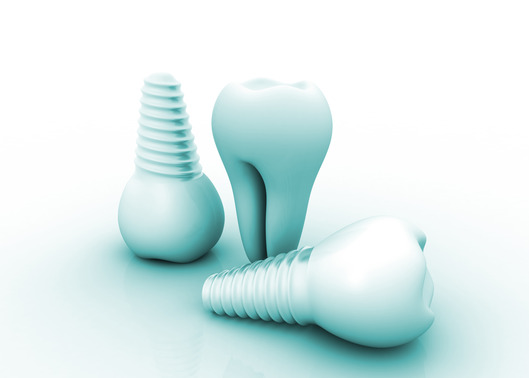
With dental implants, patients get a structurally complete tooth replacement. The implant is a post made of titanium, which fuses with the jaw. Because the implant osseointegrates, it serves the same function as the missing tooth root. It secures the prosthetic arch and prevents the jawbone from eroding, which happens when the root is absent.

For this reason, your dentist can help prevent further tooth loss by placing dental implants to replace missing teeth. If the jawbone continues to atrophy, the adjacent teeth may be at risk.

Dental implants also benefit patients in terms of nutrition because people who choose implants can enjoy a more complete diet. Dental implants are more effective at chewing due to the connection between the jaw and the prosthetic.

Avoiding a tooth replacement intervention entirely also can have negative outcomes for your oral health. The empty space can offer a welcoming spot for oral bacteria to collect, proliferate and cause tooth decay or gum disease. It can be difficult to keep the space clean, and debris can collect there, providing a food source for those bacteria.

Of course, the aesthetic benefits of dental implants should not be discounted, either. Positive self-esteem and self-confidence are important components of your mental health, and these aspects, too, benefit from dental implants.

Dental implants are appropriate for patients with varying scenarios of tooth loss. They can be used to replace a single tooth or to support a dental bridge or denture when multiple teeth (or even all of them) are missing. These devices have significant advantages for a patient’s health, so talk to our dental team to see if you may be a candidate for dental implants. Call 972-264-5795 today.

Adjusting to Dentures: What should I expect during the first few weeks?

July 25, 2013

Dentures are valuable appliances for replacing an entire mouthful of missing teeth, but they do require an adjustment period as your mouth becomes accustomed to the device. If you know what to expect and what steps to take to prepare, this transition can be less disruptive.

Modern dentures represent a vast improvement over the devices that your grandparents wore. These appliances are custom-crafted, instead of one-size-fits-all as in past decades. They are made of lifelike materials that can be tailored to match the shade and shape of your natural teeth – or improve upon the smile you once had, if you wish.

In order to ensure that the appliance is designed to your unique specifications, your dentist will take impressions of your jaw that then provide the guidelines for crafting the denture. Patients who are getting upper and lower dentures should be fitted for both at the same time to ensure that the arches fit together properly.

 Dentures are valuable appliances for replacing an entire mouthful of missing teeth, but they do require an adjustment period as your mouth becomes accustomed to the device.

Although the dentures are custom-fitted, patients sometimes feel that the appliances do not fit well at first. This sensation will pass as your mouth adapts to the denture, generally within a few weeks. If you continue to have that feeling or any discomfort after a few weeks, the denture may need to be tweaked a bit. Schedule a follow-up evaluation with your dentist to see if any further adjustments are necessary.

You may find eating and speaking a little difficult when you first have your denture, too. Again, this is a common experience for new denture wearers and will abate with time. Your dentist can give you suggestions of strategies to use for chewing with your new dentures.

Be sure that you know what to do in order to maintain your dentures, as well. After your mouth has gotten used to the dentures, you can begin removing them at night to clean them thoroughly.

You can take advantage of today’s dentures to get an attractive smile and comfortable fit even after tooth loss. With a little patience during the adjustment period, you will get used to your brand new smile in no time at all.

Call The Dental Place for an appointment today.

What happens after root canal therapy?

July 13, 2013

A root canal is a valuable dental treatment that can help you to save a severely damaged or decayed tooth. Unfortunately, though, the root canal has developed a negative reputation over time, and some may dread the procedure.

When performing a root canal, the dentist clears away infected pulp material from the tooth’s inner core. After the pulp has been removed, the empty chamber is filled with an inert rubber-like substance called gutta percha.

Before undergoing the procedure, many patients express concerns about the effects they will experience afterward. If you have any such worries, it’s important to discuss them with your dentist in advance so you will know what to expect.

Although many patients associate the idea of a root canal with severe discomfort, that is not necessarily the case anymore. Advanced instruments and techniques have significantly reduced the levels of discomfort that result from a root canal.

Following a root canal, patients often report a level of discomfort no more significant than that associated with having a cavity filled. Any uncomfortable feelings that that patients do experience typically can be treated with over-the-counter pain medications.

Most patients also will have a crown placed sometime after the root canal as a further level of protection against additional damage to the tooth. Until the crown is in place, it is best to avoid chewing with the tooth that received the root canal. This will help to prevent the re-introduction of bacteria into the area.

Root canals have a very high success rate, generally around 95 percent. Most patients who undergo a root canal will need no further treatment, although in a small number of cases the root canal may need to be re-done, especially if there were additional chambers in the tooth’s center and one was not cleaned out. This is rare, though.

If a root canal has been recommended in your case, don’t procrastinate in seeking treatment out of anxiety. Schedule a consultation with any of our skilled dentists to discuss the process and procedure to set your mind at ease prior to your appointment. Call 972-264-5795 today.

Is your mouth stressed out?

July 2, 2013

You are probably aware of the many ways that stress has a negative impact on your mental and physical well-being, but did you also realize that stress can have consequences for your dental health, too?

Stress can manifest in your mouth in ways that you may not even recognize, although your dentist may pick up on the signs and symptoms. Extensive wear and tear on the teeth can be a signal that you are unconsciously grinding your teeth, a condition known as bruxism. Morning headaches or ongoing facial or jaw pain can also be a sign of bruxism, or of temporomandibular joint (TMJ) disorder, which can also be exacerbated by stress. 

Stress can manifest in your mouth in ways that you may not even recognize, although your dentist may pick up on the signs and symptoms.

Extensive research has also linked stress with inflammation, and inflammation is a major culprit in gum disease. Your worries may be taking a toll on your gums, which can potentially lead to tooth and bone loss. Furthermore, some studies have suggested an increased level of plaque production during stressful periods. Plaque contains the bacteria that lead to gum disease.

Your oral hygiene routine may even be affected by your stress. If you have multiple demands on your time, pulling you in different directions, it can be challenging to keep to your daily regimen, let alone squeeze in your semi-annual appointments with your dentist.

Of course, you can pursue treatments for various stress-related oral health problems. Bruxism can be treated with a custom-fitted mouthguard worn at night to keep space between the upper and lower teeth. Many patients find that they get relief from wearing such a device.

Gum disease can be treated as well, with deep cleaning treatments or outpatient surgical procedures in more advanced cases. Similarly, TMJ disorders may be addressed with painkillers or correcting problems in the bite.

Stress management techniques may also be an important component of your treatment plan for these oral health issues. If you are able to better control your stress, you may find that your oral health symptoms disappear.

At your next dental check-up, ask any of our experienced dentists at The Dental Place if your mouth is showing any signs of stress. Explore the dental treatments that are available to address any problems and consider seeking counseling on stress management techniques as an additional measure to protect your oral health.

How Durable are Porcelain Veneers?

June 24, 2013

Dental veneers are extremely thin, tooth colored shells that are permanently affixed to the front of teeth that are in need of cosmetic repair or improvement.

Porcelain is the material often used for its translucent appearance, and when cemented to the front of teeth, provides added strength and stability to treated teeth.

What are some of the dental imperfections suitable for treatment with veneers?

  • Correct stubborn stain – Teeth discolored from medications, fluorosis, or intrinsic stains not removable with cleaning or teeth whitening will benefit from veneers.
  • Chipped, broken or misshapen teeth – Veneers offer a minimally invasive procedure that can visually enhance the appearance of teeth without extensive cosmetic repair.
  • Gaps between teeth – Spaces are OK for some, but if they bother you, veneers are the perfect option that appears to close those unwelcome spaces.

Composite resin veneers are fabricated and placed by your cosmetic dentist in one visit.

Porcelain veneers are sent to the dental lab for fabrication. Dental impressions coupled with the instructions of your dental provider will provide the mold for the porcelain veneers. In about two weeks, a return visit to the dentist will allow the completion of your veneer makeover.

Porcelain provides multiple benefits. It is stain resistant, and gum tissue tolerates porcelain very well. For teeth suffering from chips or cracks, the added strength of the porcelain permanently cemented to the teeth makes them stronger. And though porcelain is not indestructible, it is very durable. Veneers are permanently cemented into place, and may only need to be replaced every ten years or so.

On delivery day, your cosmetic dentist will place the veneers to guarantee a perfect color and contour match to surrounding teeth. If adjustments are needed, they can be completed on the spot.

The treated teeth have had a very small amount of dental enamel removed about the thickness of the veneer. Teeth are treated with a product that will aid in setting the veneers. The cement can be tinted to enhance the color match, if needed. Once the veneers are placed on the teeth, a curing light or laser is used to speed up the hardening process.

Caring for veneers is no different than the regimen you should follow for your natural teeth. Daily flossing and brushing along with twice yearly visits to the dentist for cleaning and exam should suffice.

Contact our experienced dentist in grand prairie at 972-264-5795 to schedule a cosmetic consultation today.

Don’t Wait Too Long to Extract a Damaged Tooth

June 13, 2013

Many patients opt to pull a tooth that is still viable, but they don’t want to deal with the treatment needed to keep it. After all, it is important to keep our permanent teeth as long as we can. Unfortunately, there are circumstances that will require tooth extraction. 

When a tooth has suffered trauma, extreme dental decay or excessive disease, it may be time to have the damaged tooth extracted.

When a tooth has suffered trauma, extreme dental decay or excessive disease, it may be time to have the damaged tooth extracted. As much as we want to keep our natural teeth, when there is no hope in saving the tooth, it is best to follow the advice of your dentist.

A tooth might need to be removed for several reasons:

  • Broken tooth – If a tooth has broken off near the gum line, extraction is the best option when there is not enough of the tooth left to save.
  • Decay – When a tooth has been repaired repeatedly, another repair could break the tooth leading to further problems such as the need for a root canal. This does not necessarily mean the tooth can’t be saved … your dentist’s assessment provides the best course of action.
  • Gum disease – Gum disease is a leading cause of tooth loss. Ineffective dental hygiene, poor physical health, medication (such as cancer fighting drugs), tobacco use … any or all of these factors can contribute to the need to have teeth extracted.
  • Trauma – Accidents contribute frequently to needing damaged teeth extracted.
  • Third molars – More commonly known as wisdom teeth, these last teeth to come in quite often present problems such as being impacted or forcing overcrowding.

Is there a problem in waiting to see if the situation will improve on its own? Depending on the basis of the problem, a “wait and see” approach is usually going to create more angst and discomfort for the patient. A visit to the dentist will help to diagnose the problem and provide the best course of action.

If removing a damaged tooth is recommended, you may have the tooth extracted by your dentist. If there are concerns surrounding the extraction, a referral to an oral surgeon may be provided.

Once the decision has been made for tooth extraction, following the instructions given will help avoid complications; a discussion with your dentist will help determine the different procedures available that will enable the patient to restore function and aesthetics following tooth extraction.

Our team at the Dental Place can help you determine if you can save your tooth or need to have an extraction.  Contact us today for a consultation.