The Dental Place

Causes and Treatments of Bruxism

April 27, 2012

dental office Grand Prairie

Bruxism is another term for grinding or clenching of the teeth. People with bruxism usually do it unconsciously, and it can happen during the day or during sleep. In severe cases, bruxism can damage the teeth, cause headaches, and affect the jaw joint negatively.

Visit your dental office if you show any signs of bruxism. These can include flattened, chipped or cracked teeth, headaches or facial pain, jaw joint pain, sensitive teeth, or indentations on your tongue. Your partner may even be able to hear you grinding during the night.

There are several possible causes of bruxism, and each individual case is different. Stress is a common cause, as is malocclusion (an abnormal bite).  Pain from teething or toothaches can also cause grinding. Some psychiatric medications can cause bruxism. Even simply having an aggressive personality can lead to the condition manifesting.

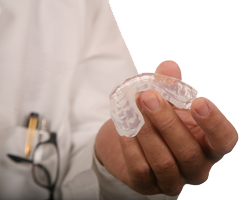
If you have bruxism, your dentist will most commonly prescribe a mouth guard. Mouth guards are made of a soft plastic, and are usually worn at night. Custom-made night guards are molded to fit over your teeth so they will not dislodge during sleep.

Along with protecting the teeth, mouth guards can also relieve tension on the jaw joint since clenching isn’t possible when you’re wearing it. This can help dissipate headaches and jaw joint pain or tension.

Another treatment option is a dental splint. Splints are made from a heat-cured acrylic resin. They fit over the top or bottom teeth. Splints can be used by both adults and children, though children’s varieties are generally made of a softer material to accommodate the growth of the child’s jaw.

If your bruxism is a result of medication or an existing health problem, you will need to speak with the prescribing doctor about your options. Taking steps to relieve stress or tension can also help eliminate the need to clench or grind your teeth.

If you are experiencing symptoms of bruxism in Grand Prairie, contact The Dental Place at 972-264-5795 and learn how we can help.

Custom-designed Dentures: Something to Smile About

April 16, 2012

Losing your teeth can be uncomfortable and make you self-conscious. Custom-designed dentures can restore your confidence and comfort.

Custom-designed dentures are available in complete or partial forms, so whether you’ve lost all of your teeth or just a few, you can make choices that impact your smile. 

Custom-designed dentures are molded to the specifications of your bite and your appearance.

The process begins with an initial consultation at The Dental Place in Grand Prairie, TX. Our cosmetic and general services provided by Dr. Robert D. Maxey and Dr. Cecil F. George, Jr. will make impressions of your jaw and take measurements of the space between the top and bottom portions. Models of your dentures will then be made, based on your preferences of color and teeth size and shape. The dentures will be customized to fit your bite.

Once the models are complete, you will try them in your own mouth to determine if you are satisfied with the look and feel. When you select a model, it will be cast into permanent, custom-designed dentures. They will compliment your appearance and increase your confidence.

Your custom dentures may take some getting used to as your facial muscles learn to eat and speak with them in place, but this stage generally only lasts a few weeks. Since the dentures are so carefully designed, some people may not even be able to tell the difference between your natural teeth and the dentures. Your dentist will discuss ways of adapting to the dentures, and the necessary steps of caring for them.

Custom-designed dentures are molded to the specifications of your bite and your appearance. They will fit well, reducing the need for numerous adjustments in the future. The state-of-the-art technology used to produce custom-made dentures ensures that you will be happy with the results the first time around.

If you are considering dentures to improve your smile, call our experienced dental team.  The Dental Place has been serving Arlington TX and the surrounding areas. You’ll have something to smile about in no time!

Do Dental Implants Require Special Care?

April 5, 2012

Implant Dentistry Grand Prairie

Dental implants are permanent posts placed in the gum line to replace lost teeth. The implants fuse with the jaw bone, creating a sturdy surface to which the dentist can affix an artificial tooth. When considering whether to take advantage of implant dentistry, many patients want to know if the implants require special care.

Dental implants can be cared for just like your other, natural teeth, in most cases. One of the major benefits of implants is that they look and act just like your regular teeth. Proper oral hygiene habits are enough to make implants last for decades along with various cosmetic and general dental services.

You will need to brush them at least twice a day, preferably after meals, with a soft bristled toothbrush. Brush the front, back, and sides of each implant. Floss around them every day. Here at The Dental Place, we may also recommend a mouth rinse to use.

The gums around the surgical site may be tender during the first week after the procedure. Your implant dentist may suggest that you alter your diet to include softer foods during this short healing period. You will also want to brush and floss with a gentler hand. Once the implant heals, you can resume your regular oral hygiene routine.

Patients should avoid smoking (or the use of any tobacco products) both immediately after surgery and for the life of the implant. Smoking can irritate the gum tissue and lead to failure of the implant.

Maintain a schedule of routine check-ups and cleanings with Dr. Robert D. Maxey or Dr. Cecil F. George, Jr., just like you did with your regular teeth. These visits will give your dental care team a chance to give the implants a deep cleaning, and to evaluate them. Routine visits will ensure that any problems are detected early.

Failure to brush and floss the implants with the proper frequency can lead to an infection of the surgical site, receding gums, and possibly implant failure. In fact, poor oral hygiene is the number one cause of implant failure. By caring for your implants just like you would your regular teeth, you will help them last a lifetime.

If you would like to learn more about dental implants in the Grand Prairie area, contact The Dental Place at 972-264-5795 and schedule your consultation today.

Smile Confidently With Dental Veneers

March 26, 2012

There’s nothing like the feeling of self-consciousness that can rob you of your smile. Feeling insecure or uncomfortable with your smile can have a strong influence on your attitude, your mood, and your interactions with those around you. Since so much of our communication is non-verbal, others must rely on our facial expressions and smiles to gather more information about us. Think about how this level of communication is reduced when we conceal our smiles and laughter.

Front teeth that are chipped, fractured, discolored, or showing signs of wear and tear can all be improved with the use of veneers.

At The Dental Place in Grand Prairie, TX, we are armed with the techniques and tools that can rebuild your confidence and restore your smile. Dental veneers are frequently recommended for patients who are unsatisfied with the appearance of the front teeth. Because veneers are customized for each patient, and because they are so natural-looking, veneers are often the cosmetic dental service solution for any number of cosmetic concerns.

Front teeth that are chipped, fractured, discolored, or showing signs of wear and tear can all be improved with the use of veneers. Even teeth that appear to be crooked or crowded can be corrected with this type of permanent restoration. To improve the proportions of the front teeth, veneers may be recommended by Dr. Robert D. Maxey or Dr. Cecil F. George, Jr. to lengthen teeth that are too short, or widen teeth that are too narrow. In fact, virtually any esthetic detail can be addressed with porcelain veneers.

The process for achieving your brand new smile is relatively simple. Our cosmetic dentists in Grand Prairie will need to make conservative modifications to your natural tooth structure, reshaping the tooth to accommodate the veneer. A dental impression will be taken to capture the size and shape of the tooth. An ultra-thin porcelain veneer will be constructed according to your dentist’s specifications. Once the veneer has been customized to the appropriate shade and shape, it will be bonded to the front surface of your tooth.

Veneers are designed to last for many years with minimal maintenance, and are durable enough to tolerate normal eating and biting forces.

For many patients, there is a renewed spirit of confidence that comes with a strong and beautiful new smile. Contact one of our dentists serving Arlington TX today, to learn more about beautifying and strengthening your smile with veneers.

At What Age Should I Have My Wisdom Teeth Removed?

March 16, 2012

wisdom teeth Arlington TX

The wisdom teeth are a third set of molars that typically grow into the mouth during the late teens or early 20’s. These teeth are generally the topic of much debate due to their tendency to be unpredictable in nature. In light of this fact, our dentists at The Dental Place in Grand Prairie, TX may recommend that the wisdom teeth be removed in order to prevent complications.

For some patients, the wisdom teeth may fail to erupt properly. They are prone to a number of abnormalities such as:

  • Impaction (When the wisdom teeth fail to erupt, or grow into position, the risk of developing a cyst around the tooth increases.)
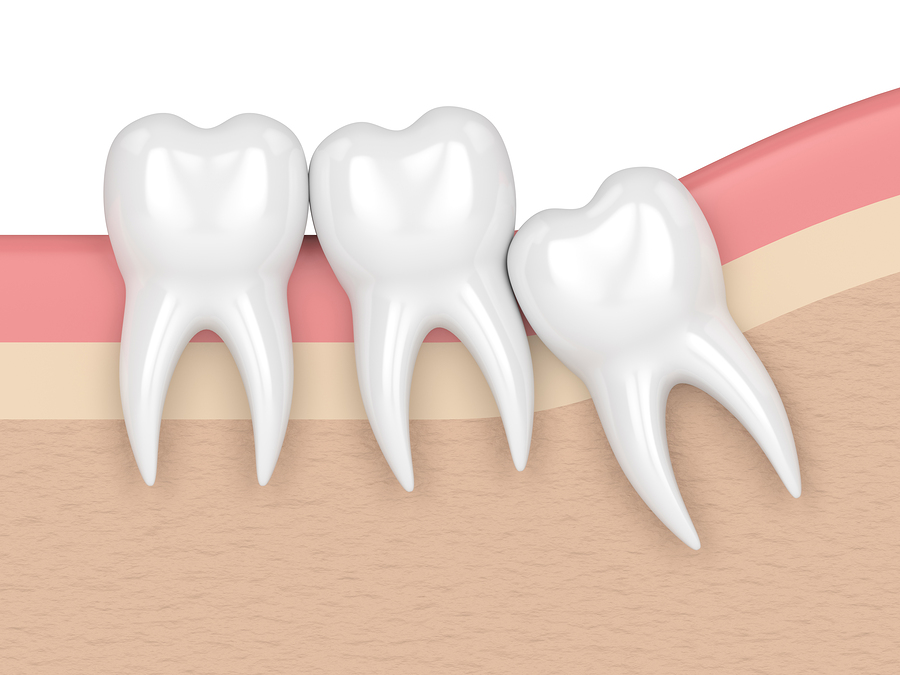
  • Poor angulation (Wisdom teeth are notorious for their poor positioning. These teeth may be rotated towards the neighboring teeth or angled towards the underlying nerve pathways.)
  • Decay (Wisdom teeth are often extremely difficult to clean properly. Accessing these teeth with a tooth brush or floss can be challenging. The inability to clean these teeth may lead to tooth decay on both the wisdom teeth as well as the neighboring teeth.)
  • Gum disease (As a result of the location of the wisdom teeth, it is common to develop a localized form of gum disease. Inflammation and tenderness are common symptoms when the teeth cannot be cleaned, or when food particles and plaque are allowed to collect around these teeth. Left unaddressed, this type of disease can spread to the neighboring, healthy teeth.

When our cosmetic dentists in Grand PrairieDr. Robert D. Maxey and Dr. Cecil F. George, Jr., are able to detect these undesirable conditions as a result of the wisdom teeth, they may be recommended for removal. This recommendation is based mainly on the possible risk to your health rather than your age. In fact, there is no recommended age for the removal of wisdom teeth. Instead, routine dental visits are suggested for proper monitoring of any developing condition, including the progression of the wisdom teeth.

If your dentist recommends that the wisdom teeth be removed, the risks and benefits will be carefully explained. Schedule a professional consultation today with any of our dentists at The Dental Place, serving Arlington TX, to have your wisdom teeth evaluated. Call 972-264-5795 today!

DIAGNOdent for Early Detection of Caries

March 5, 2012

Along with the many cosmetic and general dental services available; An important portion of your visit to The Dental Place in Grand Prairie, TX is the search for cavities. Of course, as cosmetic dentists, we have coached for years on strategies for preventing tooth decay. Still, patients of all ages face the very real risk of developing new or recurrent cavities at any stage in life.

The grooves and pits on the surface of the enamel are prime breeding grounds for cavities. Though the anatomy of the teeth can vary from one patient to another, cleaning these areas tends to be challenging for almost everyone. It is virtually impossible to access deep crevices in the enamel with a toothbrush, toothpaste, or mouthwash.

Historically, your dental provider has relied on dental x-rays and visual detection in order to identify tooth decay. Unfortunately, when tooth decay has begun to develop in the grooves and pits, it can be difficult to detect with traditional methods. The result is a cavity that spreads beneath the surface of the enamel. As the cavity progresses, the options for preserving the tooth are significantly decreased.

Still, patients of all ages face the very real risk of developing new or recurrent cavities at any stage in life.

Dr. Robert D. Maxey or Dr. Cecil F. George, Jr. may use the DIAGNOdent cavity detection tool to aid in the clinical examination. DIAGNOdent has also been proven to aid in earlier detection of tooth decay, as compared with traditional methods. Tooth decay, similar to other diseases or infections, can be best treated when detected early.

The DIAGNOdent uses a specific wavelength of light to evaluate the density of the enamel. When the light is projected onto the surface of the enamel, the instrument measures the amount of light that is reflected. Incredibly, the light responds differently when projected onto healthy or unhealthy enamel and the dentist is alerted to the unhealthy areas.

The DIAGNOdent is typically preferred by conservative dentists who appreciate minimally invasive techniques. With the help of a tool such as DIAGNOdent that can identify a cavity in its very earliest stages, much smaller fillings can be placed. Early detection can also prevent the need for crowns and root canals.

The DIAGNOdent has revolutionized the process for detecting cavities. For a high-tech and thorough examination, call our Grand Prairie dental team for an appointment today.

Signs and Symptoms of Gum Disease

February 27, 2012

gum disease Grand Prairie

As with most illnesses or medical conditions, there are several degrees of severity. The same pertains to gum disease. From the onset of gingivitis to the more serious periodontitis, there are usually many signs that would warrant a visit to The Dental Place in Grand Prairie, TX for an accurate diagnosis and treatment.

Chronic bad breath can be an indicator that you are experiencing gum disease. The usual culprit to halitosis is attributed to the foods we eat. But excess bacteria build-up in the mouth can linger on teeth, gum tissue and in between teeth causing gingivitis and the onset of gum disease.

Bleeding gum tissue is not normal. Brushing with a hard bristle tooth brush or by exerting too much pressure can result in some bleeding. Switch to a soft bristle brush and consider an electric toothbrush. Not only will an electric tooth brush help to control the pressure used when brushing, but most come with a built in timer that lets you know if you are brushing the recommended two minutes. If gums continue to bleed after making these changes, it is time to visit our cosmetic dentists in Grand Prairie.

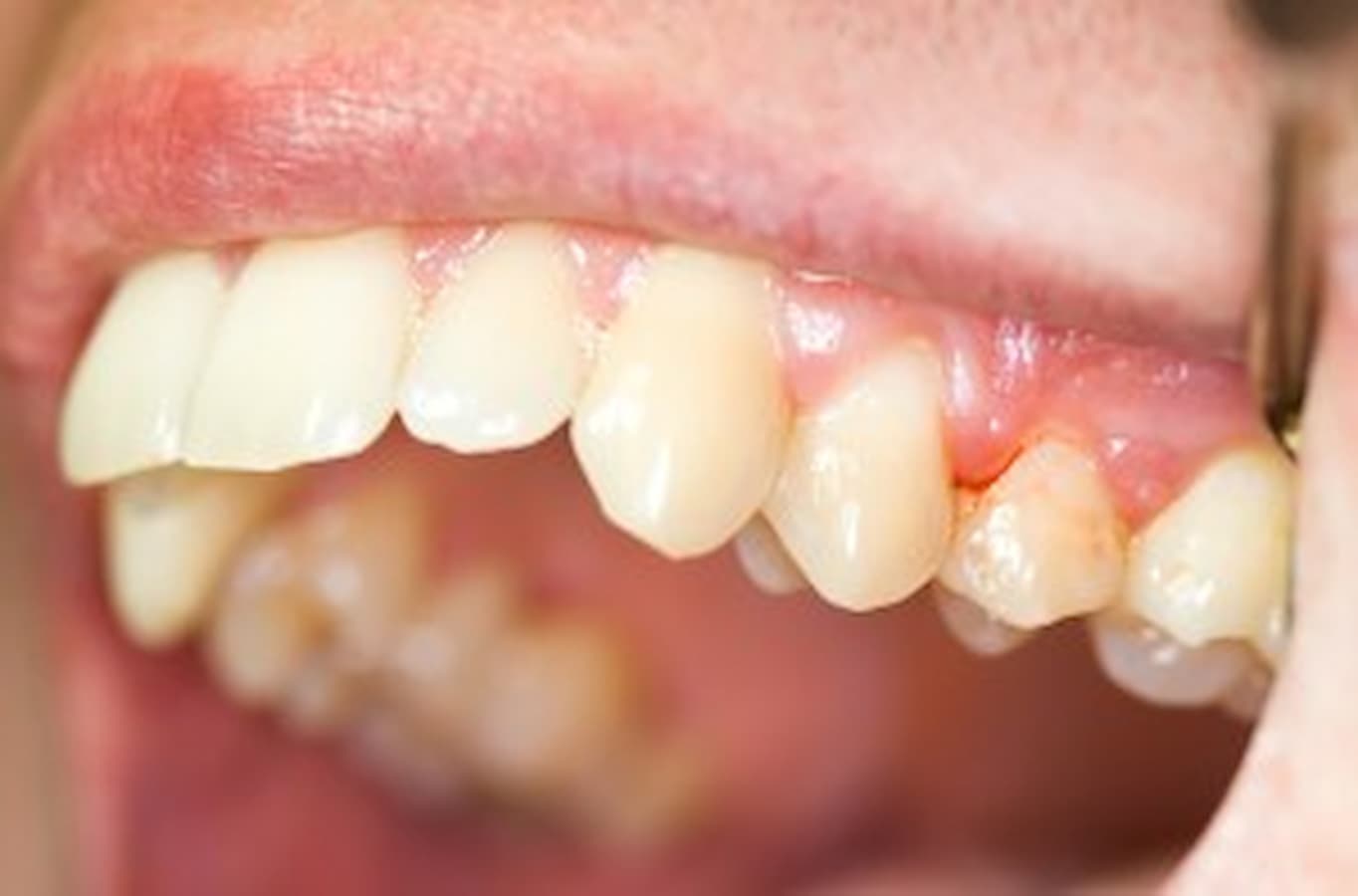
Swollen gums or bright red gum tissue can offer an indication that gum disease is present. Receding gums that are not attributed to aging or brushing habits can also mean the possible onset of gum disease.

Discomfort or teeth that feel loose generally mean that you are experiencing some type of dental issue that requires the urgent diagnosis of your dentist. Putting off a visit to our general and cosmetic dentists Dr. Robert D. Maxey and Dr. Cecil F. George, Jr. if your teeth feel loose can result in the loss of these teeth due to disease or infection.

Genetics can play a possible role in gum disease. But just because family members suffer from gum disease does not mean you will. It is possible to avoid contracting gum disease by taking the following measures:

  • Do not smoke.
  • Floss daily.
  • Brush at least twice per day with a fluoridated tooth paste or gel.
  • Make sure your diet is loaded with healthy foods and eliminate or cut back on sugary snacks and beverages.
  • Get plenty of rest and keep your body hydrated.
  • Visit your dentist twice per year for a professional cleaning and thorough exam.

Adhering to these lifestyle habits will not only keep your teeth and gums healthy, but your body as well. If you have symptoms of gum disease, call our dentists in Grand Prairie at 972-264-5795 today!

When is root canal treatment recommended?

February 16, 2012

For many patients the very words “root canal” can feel overwhelming. However, improved technology and instrumentation has allowed Dr. Robert D. Maxey and Dr. Cecil F. George, Jr. to perform this procedure in less time and with less consternation than ever before.

A root canal is a procedure, one of the dental services in Grand Prairie we offer, is where the nerve and pulp located in the canals of the tooth’s root must be removed due to infection or damage to the nerve. The root canal procedure is performed when the tooth itself is still healthy enough to be salvaged.

The nerve can be impacted by a broken tooth, a tooth that has been subjected to several dental procedures or infection. The process of removing the nerve allows our dentists in Grand Prairie TX to save the tooth. And the nerve serves no purpose but to detect hot or cold once the tooth has erupted through gum tissue so its removal is not detrimental to the tooth.

A root canal is a procedure where the nerve and pulp located in the canals of the tooth’s root must be removed due to infection or damage to the nerve.

When conditions deteriorate to the point that a root canal is recommended, the only other option to a root canal from The Dental Place in Grand Prairie, TX is to have the tooth removed. If left untreated, an abscess can develop which is a pocket of infection and puss that form around the nerve and base of the root of the affected tooth. Failure to adequately treat an abscess can result in infection spreading to other parts of the body.

Simply clearing up the infection will not repair the nerve once the damage is done. But after the nerve and pulp are removed and the canals are treated and sealed, the underlying problem should be corrected.

Symptoms that a root canal might be needed include sensitivity to hot or cold, swelling, discomfort when chewing, discoloring of the tooth or a sore that resembles a pimple that will not go away or is recurring frequently. You might not have any of these symptoms, but if a large filling or tooth suffers a trauma, a root canal might be needed to retain the tooth.

Although no one would actually want to have a root canal, the alternative of losing the tooth and having to undergo the process of a dental implant, bridge, or any type of prosthetic is both time-consuming and quite costly when compared to a root canal.

If you are in need of a root canal, don’t hesitate to contact The Dental Place in Grand Prairie, TX because delay will not resolve your issue and could result in more serious problems.

Are You Prepared for a Dental Emergency?

February 6, 2012

dentist 75051

For many, the idea of having to prepare for a dental emergency might seem minor. But if you have a child or are responsible to care for the well-being of a friend or family member, knowing what constitutes a dental emergency and how to respond if needed is very important. Having a family dentist is a great first step to this preparation.

Many dental providers offer an after-hours number to call for emergencies. Know this number and make it readily available for yourself or a caregiver by posting the number in a conspicuous place. Also carry the number on you in the event of an emergency away from home.

Oddly enough children can be most at risk when at play. Organized sports like soccer, football, softball, basketball or hockey might seem safe enough, and since there are usually coaches around you might feel secure that your child is in good hands.

A single coach will not be able to leave the rest of the team to care for your child. Staying on site during games and practices is a good idea. Also, having your child fitted with a quality, custom mouth guard will help protect teeth, gum tissue, tongue and the soft tissue in the mouth. Wearing a mouth guard can save broken teeth, knocked out teeth, and biting through the tongue or soft tissue in the mouth if hard contact is made.

Accidents do happen. Auto accidents, slips and falls, or everyday events can result in a dental emergency. If a tooth is knocked out, it is critical to get to your dentist within an hour. Carefully rinse the tooth in water being careful not to handle the root of the tooth. If you can replace it in the tooth socket and keep it in place until you can get to the dentist, this will offer you the best chance for your dentist to save the tooth and re-implant it.

A broken or chipped tooth that is not accompanied with discomfort is generally not an emergency, but you should contact our experienced dental team serving theDFW area for an appointment to make sure there is no damage to the nerve. Being prepared and knowing what to do in the event of a dental emergency can be the difference between a manageable problem and one that results in a lost tooth.  Call The Dental Place in Grand Prairie at 972-264-5795 for additional information.

Treatment options for teeth grinding and clenching

January 30, 2012

Patients who unknowingly grind or clench their teeth—a condition known as bruxism—often come to their Grand Prairie dental office with complaints of symptoms like headaches and unexplained tooth wear. Some patients may be unaware of the habit, while others are tipped off by spouses or partners whose sleep is routinely disrupted by the noise.

If you suspect that you are grinding or clenching your teeth at night, your dentist can intervene in a number of ways.

One particularly effective technique entails wearing a mouthguard while you sleep. This reduces the likelihood of grinding or clenching the teeth. 

If you suspect that you are grinding or clenching your teeth at night, your dentist can intervene in a number of ways.

Although you can buy mouthguards over-the-counter, the devices prescribed by your dentist are much more effective. They’re custom-designed to fit the unique structures of your mouth, unlike the boil-and-bite varieties sold in the local retail outlet.

If a mouthguard fails to prevent bruxism, your dentist may recommend a splint instead. Splints are made of a harder plastic than mouthguards, and they hold the jaw in a proper position.

Other strategies can complement mouthguards and splints in reducing teeth grinding. Stress is often the culprit in bruxism, or at least a contributing factor, so relaxation techniques may be quite effective in addressing the issue. Even simple adjustments to your daily routine, like avoiding stimulants (think caffeine and smoking) before bed, can be helpful.

When bruxism is caused by a misalignment of the teeth, fixing that issue may also resolve the teeth grinding or clenching.

Applying ice or heat to sore jaw muscles can provide some relief for the symptoms of teeth grinding, as can over-the-counter painkillers.

Although bruxism rarely causes major problems, it’s a nuisance at best. At worst, it can lead to serious conditions like TMJ disorders. Patients who have noticed any potential signs of bruxism should schedule an evaluation with their dentist to determine if any further treatment is necessary.