The Dental Place

Myths About Root Canals

November 7, 2016

root canal Arlington TX

Root canals have a reputation for being extremely unpleasant … jokes are made comparing them to your worst nightmare. But in reality, this is a dental procedure that is simple with the reward of saving a tooth from extraction.

The need for endodontic therapy (root canal) arises due to trauma to the root of a tooth. This can be due to excessive dental decay, infection, or a breach in the tooth that allows bacteria to penetrate to the interior of the tooth’s structure.

The myths surrounding root canals probably got started by people who have never undergone this tooth saving procedure. Some of these myths include that they are painful, take a long time to complete, and that extracting the tooth would be easier.

A root canal is a procedure where the contents of the tooth’s roots are removed. The contents include pulp, blood, and nerve. The roots of the tooth stay intact and remain to support the tooth. Symptoms that indicate the need for a root canal include pain, swelling, tooth discoloration, sensitivity to hot or cold, or pimple like sores on the gum tissue.

A dental x-ray is always taken; the x-ray is a diagnostic tool, but is also needed to identify the number of roots requiring treatment and how they are positioned.

Once the x-ray has been taken, the tooth requiring treatment is usually numbed using anesthetic (freezing the tooth); the tooth is segregated to keep the area dry and free from saliva; an access point is drilled in the tooth; and the dentist will remove the contents of each root using endodontic files. Each root is thoroughly rinsed to remove all contents … if infection is present, medication is placed in the root.

The entire process is completed quickly … the number of roots to be treated and their ease of access dictates the length of the procedure. With a simple root canal, the access point can be sealed right away and the process is completed. If a dental crown is needed to seal the access point, additional dental visits are needed.

Discomfort is similar to having a cavity repaired; extracting the tooth would require some type of prosthesis which would be costly and time consuming. Saving a tooth is a much better option; root canal therapy allows a quick response that can salvage a tooth and relieve pain.

If your tooth is bothering you, contact us at The Dental Place today!

Porcelain Veneers: A Versatile Cosmetic Treatment Option

October 21, 2016

veneers Grand Prairie

Porcelain veneers offer a minimally invasive means to correct multiple dental maladies. Deep dental stain, chipped enamel, misshapen teeth and unwanted gaps between teeth can be dealt with in just a couple of dental visits with a permanent solution. A consultation with your cosmetic dentist will reveal exactly what is involved with placing porcelain veneers.

Veneers are very thin, tooth colored shells that are fabricated by the dental lab using dental impressions and thorough instructions from your dentist. Photographs may be taken as a supplemental aid.

Veneers can be used to enhance one, two, or multiple teeth. The process involves removing a small amount of enamel from the front of each tooth being treated (about the thickness of the veneer).

Veneers are very versatile in that they have a useful purpose to treat multiple problems:

Dental stain and enamel discoloration – Stained teeth can ruin your smile; spots or marks that are prevalent in several teeth from medication, illness, neglect, or tobacco use can disappear quickly.

Chipped teeth can appear whole again when dental veneers are in place.

Misshapen or uneven teeth appear symmetrical.

Gaps between teeth appear to close.

Veneers are tried in for fit and appearance. Minor adjustments can be made at this time, if needed. Upon the approval of you and your dentist, the veneers are permanently cemented in place. Treated teeth enjoy added strength; however, they are not invincible.

You will likely be advised not to bite into hard, crunchy, sticky, or tough foods. Cut fresh fruits and vegetables in pieces for consumption. Other habits you have to forego include biting fingernails and using your teeth to open packages.

Oral health care for teeth covered with veneers is the same as biological teeth. Brush twice every day with a fluoridated tooth paste; floss daily; and see your dentist every six months for cleaning, polishing and dental exam. Veneers will be examined at each visit.

Veneers are made from porcelain which is naturally stain resistant; if you wish to whiten your teeth, make sure to complete whitening before veneers so the shade can be accurately matched.

To learn more about porcelain veneers or other cosmetic dental procedures we offer, call 972-264-5795 and schedule your visit today.

Wisdom Tooth Extraction: Reduce the Risk of Gum Disease

October 7, 2016

tooth extraction Grand Prairie

Third molars are more commonly known as wisdom teeth. There are normally four of these teeth that erupt during the late teens or early twenties. They are located at the very back of the mouth, one in each quadrant.

By the time wisdom teeth come in, the individual has achieved bone maturity and jaw space has been determined. If there is insufficient space for these teeth to erupt, wisdom tooth extraction is often recommended. Without treatment, there are different scenarios that could occur:

Malocclusion: When these teeth emerge and lack the jaw space to come in correctly, the result can be an over bite, under bite, or cross bite. As wisdom teeth erupt, they can push teeth over to make room. This can interfere with the bite making teeth protrude or push inward. Areas in the mouth due to crooked or misshapen teeth are ideal places for plaque to build.

Gum Disease: Partially erupted or impacted teeth can lead to infection and/or gum disease. An impacted tooth can’t come in correctly when it is blocked by bone, another tooth, or soft oral tissue. An impacted tooth is a common occurrence with third molars.

Patients that regularly see their dentist are probably going to be aware of the potential problems associated with wisdom teeth. Your dental provider will be watching for these teeth to emerge; if there is concern about teeth being impacted, x-rays will be taken. If no problems are anticipated, you and your dentist may take a wait and see approach.

But for many patients, the indication is clear that removal of the third molars is the best option to prevent teeth overcrowding, discomfort from impacted teeth, and to reduce the risk of gum disease due to plaque build-up.

Your dental provider sees many of these cases on a regular basis so the procedure to extract wisdom teeth is considered very standard. The patient is anesthetized, teeth removed, and patient is released to go home to rest the remainder of the day.

Failure to have problematic third molars extracted can lead to swelling, discomfort, infection, and gum disease. Your dentist is your best resource when faced with how to handle wisdom teeth removal to reduce risk of infection and gum disease.

To learn more about wisdom tooth extraction or to schedule an evaluation, contact The Dental Place at 972-264-5795.

FAQs About Dentures

September 20, 2016

dentures Arlington TX

Patients who need to restore a complete upper or lower arch, or even their entire smile, will understandably have questions about how to proceed with treatment. Dentures are a popular, affordable method for restoring your beautiful smile, and here are many of the most common questions that people have about this treatment method.

Are dentures really uncomfortable? Will they feel unnatural?

Many prospective denture wearers have misconceptions about how their dentures will fit and feel. Unfortunately, dentures in the past were not necessarily tailored to a particular patient’s unique jaw structure, but today’s dentures are custom-made based on specifications provided by your dentist, which makes them fit much better. This special design also makes dentures

Will other people know that I’m wearing dentures?

The materials used to make modern dentures are technologically advanced and closely mimic biological tooth enamel. This means that your prosthetic smile will look much like your natural one did! Casual observers may not even be able to tell the difference.

How are dentures designed and made?

In the initial phases of the treatment process, your dentist will collect information, such as dental impressions and x-rays. These are used by the dental lab to design and craft the appliance. When your dentures are ready, you’ll return to our office to be fitted for them.

How long do dentures last?

You will receive instructions on proper care for your dentures and your gum tissue when you get the appliances. If you follow these instructions closely, you should be able to keep your dentures for a number of years. Some bone loss does occur following tooth loss, and this can affect the fit of your denture over time. If your dentures become looser, we can re-line them to improve the fit.

How much do dentures cost?

The cost of dentures varies from patient to patient, depending on the unique circumstances of the case. There may also be associated costs, for related things like dental impressions or x-rays/imaging, when necessary. Your anticipated costs will be discussed in greater detail with you at your initial consultation.

Are you considering dentures and want additional information about how to proceed? Schedule an initial consultation at our office to learn more about this treatment and discuss your options in greater detail.

Brushing and Flossing Do More Than Just Clean Teeth

September 6, 2016

dentist in Grand Prairie TX

Your main motivation for brushing and flossing every day may be maintaining an attractive smile, but these oral hygiene habits actually do much more than preserving the appearance of your teeth. Brushing and flossing help to keep oral bacteria in check, and that can prevent issues like cavities and gum disease and generally make your smile healthier and stronger.

Brushing your teeth twice a day, for two minutes each session, and flossing daily helps to reduce the presence of harmful oral bacteria, which causes tooth decay and inflammation in the gum tissue. Those issues may require you to seek additional care from your dentist beyond the preventive services you should be receiving at least two times a year.

Because it is a warm, moist environment, your mouth is quite hospitable to bacteria. This can be found in plaque, the sticky film that clings to your teeth, and tartar, which is a hard substance that builds up on the teeth, often along the gum line. If you didn’t brush and floss regularly, those bacteria would have ample opportunity to proliferate.

While brushing and flossing are powerful tools against various oral diseases, they are not sufficient to maintain a healthy smile alone. You still need to see your dentist every six months and get professional cleanings, which are essential to removing any plaque and calculus that have accumulated, which still can happen even when you brush and floss daily.

These routine check-ups are also important because if you do develop a cavity or gum disease despite regular brushing and flossing, the problem can be diagnosed and treated early, when treatment is more conservative and effective. It’s much better to get a filling for a small cavity than to need a crown to restore a tooth that’s been affected by significant decay.

Are you brushing and flossing as often as is recommended and using proper technique? Feel free to check in with one of our expert staff members to make sure you’re doing everything possible to keep your smile strong and healthy. Call us today at The Dental Place to make an appointment!

The First Signs of Gingivitis

August 19, 2016

dentist in Grand Prairie

Gingivitis is early-stage gum disease. Many times, gingivitis can be asymptomatic in the beginning but there are some common indicators that gum tissue is inflamed and irritated. The most common noticeable symptoms that a patient may see are red or inflamed gums, gums that bleed when flossing or brushing, and recession of the gum line that exposes more tooth structure (the roots of teeth). During cleanings and checkups, our staff and our dentist will look for signs of gum disease. If caught early on, patients normally can improve their gum health by adopting a more diligent oral hygiene routine and receiving professional prophylaxis (cleanings).

Why Early Detection of Gum Disease is Important

When gum disease is detected early on, our dentist can help stop its advancement into a chronic and progressive disease. Gingivitis is curable with proper treatment and oral hygiene. Sometimes, lifestyle choices and hormonal fluctuations can make folks more susceptible to gum disease. For instance, smoking or the hormonal changes associated with pregnancy can inflame the gums, thus making gingival tissue more easily infected.

Since other factors beyond oral hygiene contribute to the onset of gingivitis, it is important for people to schedule bi-annual checkups and cleanings. This will greatly increase the likelihood that gum disease is diagnosed early on. Early intervention means that patients can prevent many complications associated with advanced gum disease.

The Danger of Untreated Gum Disease

When gum disease goes undiagnosed and untreated, it can progress rapidly into a very destructive oral health condition. Advanced gum (periodontal) disease can destroy the bond between teeth and gums—leading to tooth loss and the persistent infection in the oral cavity can enter the bloodstream.

Periodontal disease is the primary cause of tooth loss among adults. It is also so destructive that it can cause bone deterioration. Managing advanced gum disease requires a combination of specialized treatments, medications, and sometimes, surgical procedures.

We are accepting new patients. Call our office at 972-264-5795 today to schedule a checkup with our skilled dental team.  

Oral Piercings: The Hidden Risks to Your Health

August 5, 2016

dentist 75051

Modifications to the oral cavity and surrounding facial tissue can affect your oral health. While oral piercings and dermal modifications are a popular method of self-expression, it is important that patients understand the risks they take before modifying their bodies. If you are considering an oral or dermal piercing, we encourage you to have a conversation with our dentist at your next appointment so that you can have a full understanding of the risks involved as well receive information on how you can reduce the likelihood for oral health complications associated with piercings.

Permanent Damage to Teeth

Oral piercings – especially those in the tongue can be quite damaging to teeth. This is because tongue piercings are metal and the metal components can hit against teeth during oral function. In many cases, those with tongue or lip piercings even tap the metal piercing against their teeth as a nervous habit. Over time, as teeth make contact with metal, they will weaken. Metal is strong enough to chip or crack a tooth – especially if a tooth’s enamel surface is weakened by acid or untimely wear and tear.

When teeth break, chip, or crack, patients must receive professional treatment such as restorations or endodontic (root canal) therapy from our dentist to prevent further complications like the loss of a tooth or infections like abscesses. This is because a tooth will not heal on its own and once its sensitive tissue is exposed to debris and bacteria, a weak tooth is incredibly vulnerable to severe damage and disease.

Risk of Infections

Oral piercings and dermal modifications on or around the mouth can increase the risk for infections – especially when patients don’t practice proper oral and personal hygiene. The mouth is already home to many kinds of bacteria – some good and harmful. When soft tissue like the linings of lips and cheeks or the tongue is pierced, it can leave these surfaces vulnerable to becoming infected. Oral infections can become severe without timely treatment.

If you have piercings and dermals, we recommend washing the areas properly along with practicing very thorough oral hygiene. For questions or to schedule an appointment with our dentist, call our practice at The Dental Place today.

Should I whiten my teeth before or after cosmetic dental procedures?

July 22, 2016

teeth whitening Grand Prairie TX

Professional teeth whitening produces incredible results. Unlike over the counter products, a professional whitening treatment will bleach away deep stains that have developed below the enamel surface of teeth. Moreover, since patients receiving this treatment are under the supervision of our cosmetic dentist, professional teeth whitening is safe for tooth structure. If you are receiving multiple cosmetic services to improve your smile, it is best to whiten your teeth before any other form of treatment is conducted.

Why should I whiten first?

If you are receiving different cosmetic treatments, it is best to whiten teeth first. This is because other treatments utilize prosthetic materials such as porcelain veneers or white crowns. Since these materials come in various white shades and cannot be lightened like natural tooth structure, it is best to achieve a white smile before these cosmetic enhancements and prosthetics are permanently bonded to teeth.

Porcelain veneers, for example, are wafer-thin, tooth-shaped cosmetic enhancements that are cemented over the outer surface of teeth. Since veneers are so thin, the color of natural tooth structure can come through – especially if teeth are quite dark. Moreover, veneers are permanent so patients should have their teeth as white as possible before they are placed to get the most of their custom cosmetic enhancements.

White restorations like dental crowns and bridges cannot be lightened. Porcelain comes in various white shades and it is ideal to match porcelain to already whitened teeth so that restorations will not appear unnatural and conspicuous.

Why is professional teeth whitening better than store bought products?

The products found in stores – whether it is a toothpaste or set of whitening strips – contain low concentrations of whitening ingredients. This means that store bought products lack the strength to remove anything more than surface stains. Our practice uses Opalescence, a teeth-whitening system that utilizes prescription concentrations of bleaching ingredients so that patients can achieve a noticeably brighter smile without wasting their time or money. Lastly, prescription whitening formulas are safe for teeth and will not contribute to tooth sensitivity like some over the counter products do.

Call The Dental Place at 972-264-5795 to schedule a smile makeover consultation with our cosmetic dentist.

Why Early Detection of Tooth Decay is So Important

July 8, 2016

dentist Grand Prairie

Did you know that 99% of people will develop a cavity at least once in their lifetimes? Tooth decay is one of the most common oral health conditions and a dentist must treat it because untreated tooth decay can manifest into severe damage to a tooth.

When patients schedule regular checkups, the likelihood of catching decay in its earliest stages is very high. This is because diagnostic technology, such as X-rays, can reveal the development of a cavity long before it presents noticeable symptoms. Following is some helpful information about why early detection is beneficial to patients and how tooth decay is treated.

The Benefits of Early Detection

Detecting tooth decay early on offers many benefits to patients. From an oral health perspective, early stage tooth decay is treatable with very small restorations. This means that a patient can keep an optimal amount of biological tooth structure. Catching tooth decay early can preserve more than just tooth structure. Since advanced decay can lead to the development of severe infections that start at the root of a tooth and spread through oral tissue, treating early-stage tooth decay prevents a cavity from worsening to the point of painful and damaging infections.

Smaller restorations are far more cost effective than treatment for advanced tooth decay, especially if root canal therapy or custom restorations are required. In fact, catching any oral condition early on means that treatment is normally less invasive and costly.

Treating Tooth Decay

A tooth can’t heal itself once it has become permanently damaged. This is why cavities will deepen and affect more tooth structure the longer they go untreated. Treating small cavities is quite simple. A small restoration, called a filling, is placed over the affected area of the tooth. Receiving a filling is a short, minimally invasive treatment that will prevent further damage and protect existing tooth structure during oral function.

To schedule a checkup with one of our skilled dentists, call our office today.

Dental Myths that Could be Damaging Your Teeth

June 21, 2016

dentist in Grand Prairie

There is a variety of proactive things you can do to protect your dental health: visiting your dentist every six months for a thorough cleaning and dental exam, brushing twice daily with a fluoridated tooth paste and flossing every day. However, you may also hear of a few dental myths that are circling out there. Here are just a few:

Teeth whitening is damaging. The new teeth whitening systems available today are less harsh than when first introduced years ago. Tooth sensitivity is probably the most problematic issue you might face when brightening your smile. Using a toothpaste formulated to treat sensitivity for a week or two prior to whitening should alleviate this issue.

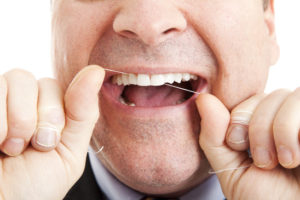
Flossing is not important. You are asked at every dental appointment if you floss. The reason is that flossing is a critical component to your oral health. Flossing removes food debris your toothbrush is unable to reach. Gum tissue is gently massaged when flossed stimulating the gums. Plaque build-up lessens for patients that floss daily reducing the incidence of gum disease.

If I brush every day, I don’t need to go to the dentist as often. No matter how meticulous you are in caring for your teeth, you will experience some plaque build-up. At each dental appointment, plaque that has formed is removed. Realizing that plaque leads to dental decay and gum disease may motivate you to make sure you are seeing your dentist twice each year.

Scrubbing teeth will remove plaque. Using a hard bristle toothbrush and lots of pressure will produce more problems over time. Premature gum recession and worn dental enamel may result, and plaque will likely continue to grow.

Tooth loss is expected as you age. As toddlers and children, you expect to lose “baby teeth” as permanent teeth emerge that are expected to last for your lifetime. But accidents happen and problems may occur that result in the loss of one or more teeth. Patients that do not pursue some type of tooth replacement are risking bone loss and remaining teeth shifting toward the open spot. There are many alternatives when faced with tooth replacements, and we’re sure one of them will meet your needs.

Teeth straightening is for children. With advancements in methodology (clear aligners), many adults are realizing they can improve their smile and overall day to day living experiences once they’ve had their occlusion corrected.

To discuss your own treatment and care, call our team at The Dental Place today!