
 Request an Appointment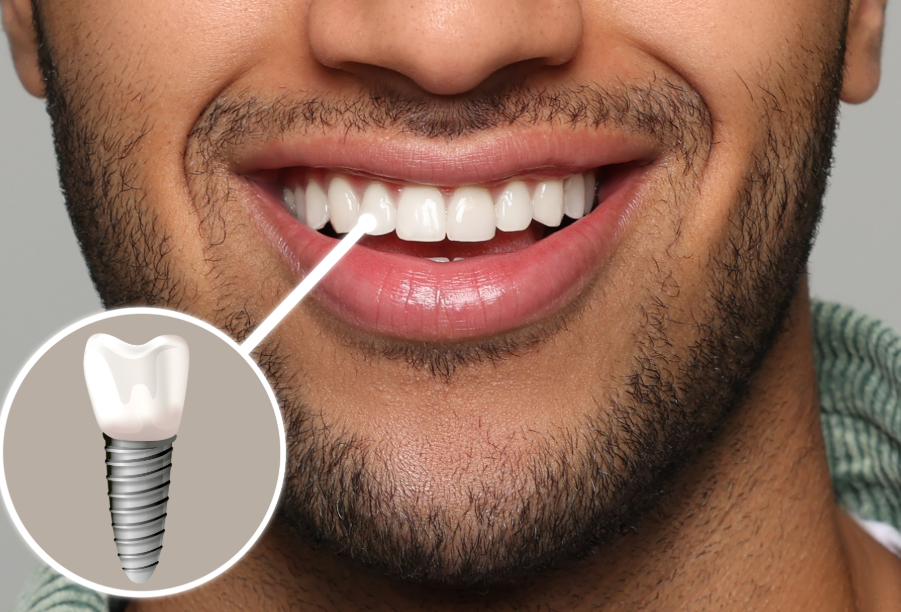
If you’ve ever wondered how modern dental implants became such a reliable option for replacing missing teeth, the answer involves thousands of years of experimentation, innovation, and refinement. Dental implants may seem like a relatively modern invention, but people have been searching for ways to replace missing teeth for centuries. Fortunately, today’s implants are a far cry from some of the earliest attempts.
Early Attempts at Replacing Teeth
Long before modern dentistry existed, people experimented with different materials to replace missing teeth. Archaeological discoveries have revealed examples of ancient civilizations using materials such as shells, ivory, and other objects as tooth replacements.
Some early attempts involved placing materials directly into the jaw. While these methods were remarkably inventive for their time, they lacked the advanced understanding of anatomy, infection control, and healing that makes modern implant treatment possible.
Over time, dentists and researchers began experimenting with different metals and other materials in an effort to create more functional and durable tooth replacements.
The Discovery That Changed Implants
One of the most significant developments in implant dentistry came in the 20th century with the discovery of osseointegration—the process through which bone can integrate with certain implant materials.
Swedish physician and researcher Per-Ingvar Brånemark discovered that titanium could successfully bond with living bone during his research. This finding eventually helped establish titanium as one of the most important materials in modern dental implant treatment.
Unlike some earlier implant materials, titanium can form a strong connection with the surrounding bone. This provides the stability needed to support a dental crown, bridge, or denture.
Why Titanium Became So Important
Titanium’s biocompatibility, strength, and ability to integrate with bone made it a major advancement in implant dentistry. Instead of simply sitting on top of the jaw or relying on surrounding structures for support, an implant can become securely anchored within the bone.
That stability can make replacement teeth feel more natural and secure. It can also help patients eat and speak more comfortably compared with removable options that may shift.
Modern implant designs have continued to evolve, too. Improvements in implant surfaces, shapes, surgical techniques, and imaging technology have helped dentists plan treatment with greater precision.
Technology Has Transformed Treatment
Today, dental professionals can use advanced imaging to evaluate a patient’s jawbone and carefully plan implant placement before surgery. Digital technology can help identify important anatomical structures and determine the ideal position and angle for an implant.
Treatment planning has also become more personalized. Dentists can consider factors such as bone volume, bite, gum health, and the number and location of missing teeth when developing an implant treatment plan.
These advancements can make implant treatment more predictable while helping patients understand what to expect before their procedure.
What This Evolution Means for You
The evolution of dental implants has ultimately made replacing missing teeth more sophisticated, stable, and patient-focused. Modern implants can provide a strong foundation for replacement teeth while helping restore important functions such as chewing and speaking.
Of course, dental implants aren’t automatically right for everyone. A thorough examination can determine whether your jawbone, gums, and overall oral health are suitable for treatment.
From ancient experiments to titanium implants and digital treatment planning, implant dentistry has come a remarkably long way—and continued innovation means the future may hold even more possibilities.
About the Practice
The Dental Place provides comprehensive dental care designed to help patients maintain healthy, functional, and confident smiles. The practice offers dental implant treatment for patients dealing with missing teeth and works with individuals to determine appropriate restorative options based on their oral health and goals. The dental team combines modern techniques with personalized care to help patients move toward a smile they can feel good about.
Call us at (972) 264-5795 or schedule your appointment online.